
As African mining operations seek smarter, more sustainable ways to boost output and safety, a recent upgrade at Nyrstar’s Hobart facility in Tasmania not only offers inspiration for a compelling case study, it proposes a roadmap.
By integrating a cutting-edge membrane filter press into its zinc production line, this company has achieved significant gains in zinc recovery, streamlined operations and reinforced its commitment to responsible production, outcomes that resonate strongly with the evolving priorities of most African mining and industrial players navigating similar challenges.

Riccardo Rume, Chief Technical Officer MSE Filterpressen GmbH
Role of Filtration in Zinc Refining
Zinc is indispensable to global growth. It galvanizes steel for infrastructure, powers batteries for energy storage, and supports manufacturing across sectors. But refining zinc is a complex process, and one of its most pivotal stages is solid–liquid separation within the Roast–Leach–Electrowinning (RLE) process, a hydrometallurgical method widely used across the globe, including in Africa.
After roasting and leaching zinc concentrate with sulfuric acid, the resulting slurry contains dissolved zinc and insoluble residues. Efficient filtration is essential to separate these phases cleanly. Poor filtration can reduce metal yield, compromise product quality, and create costly inefficiencies downstream.
Anticipating increased capacity at its Hobart site, Nyrstar sought a filtration system that could handle higher volumes while delivering consistently low residual moisture and high filtrate clarity. The answer lay in advanced filtration technology—and a trusted partner.
Global Collaboration with Local Impact
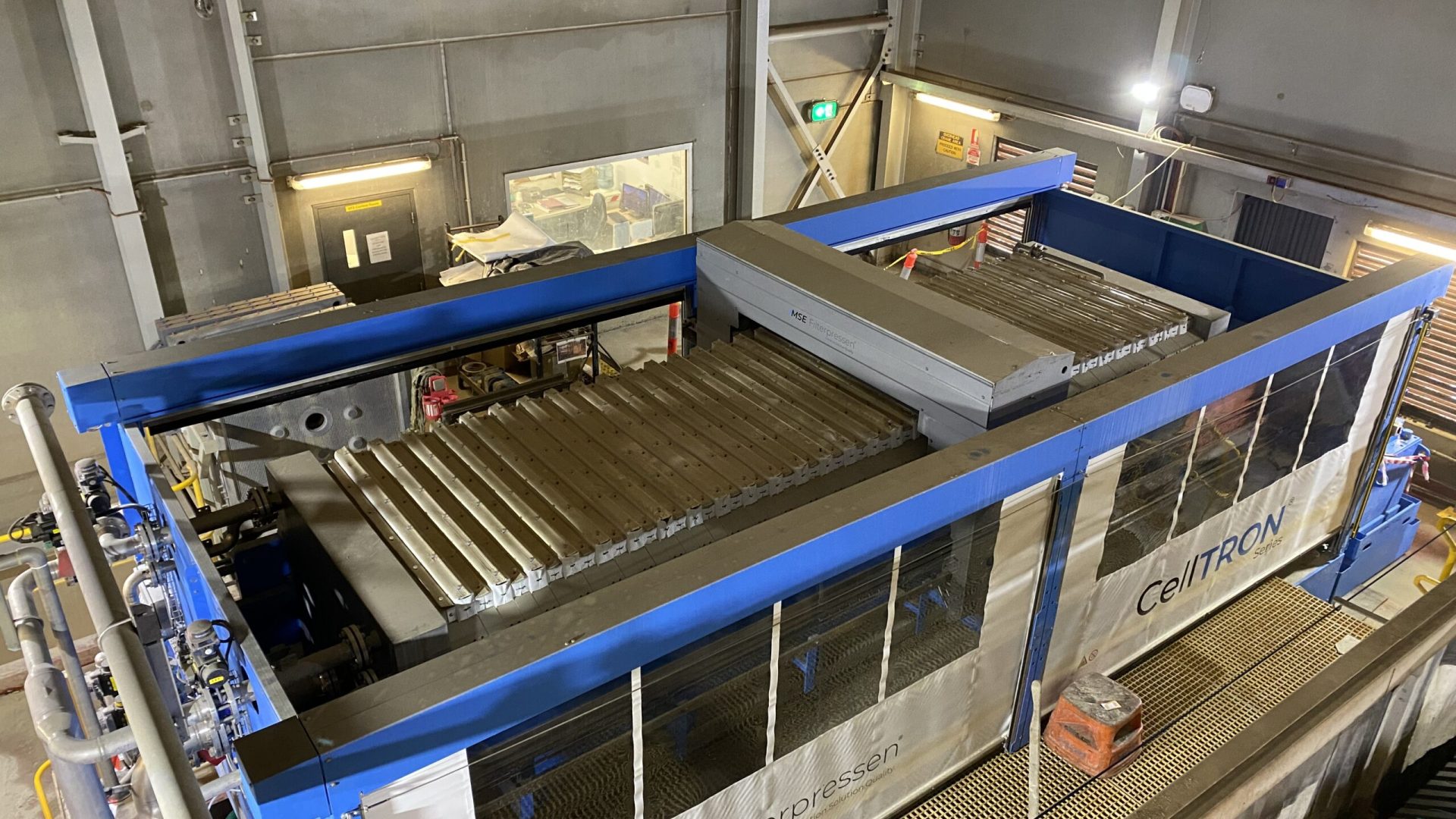
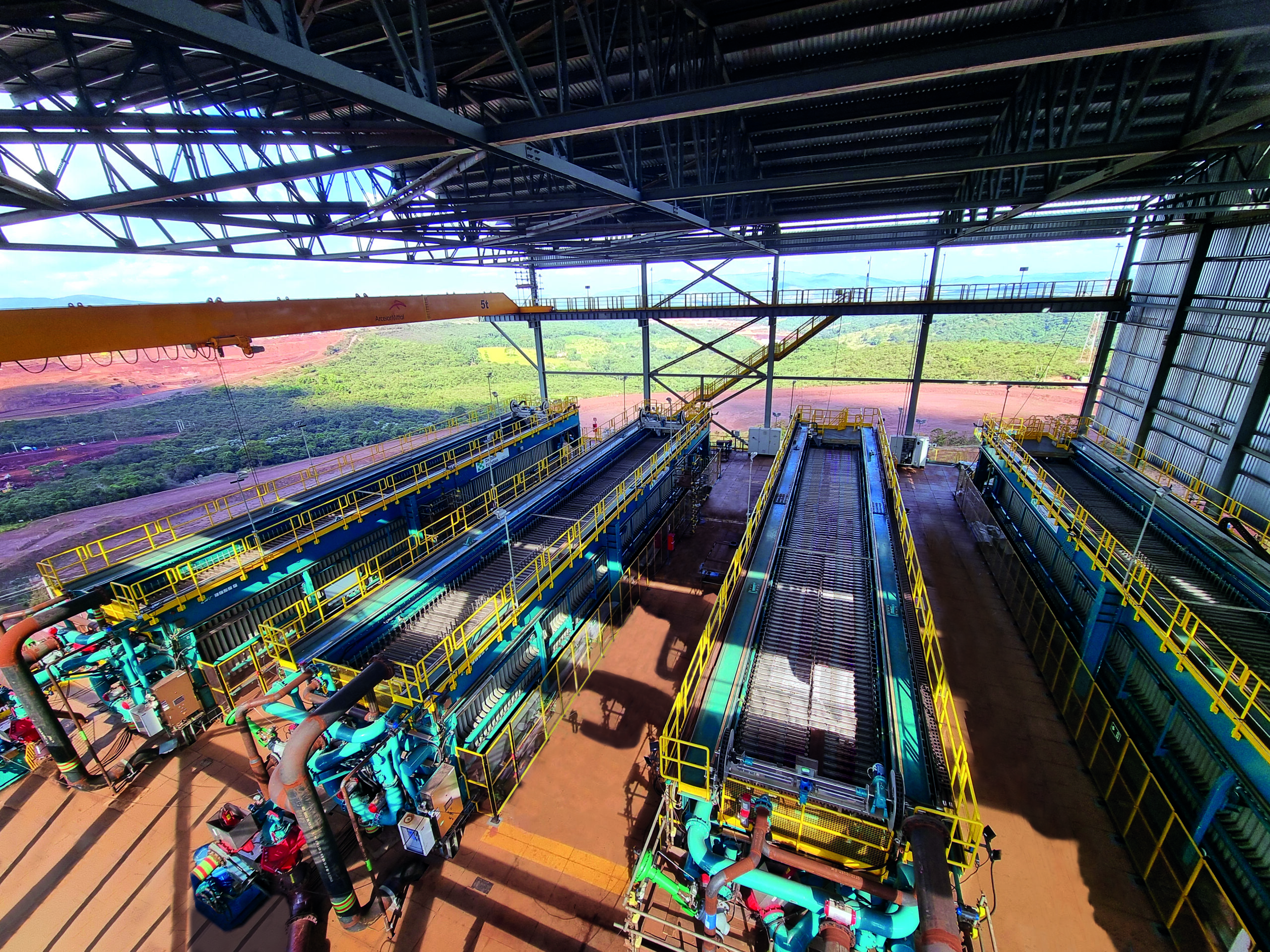
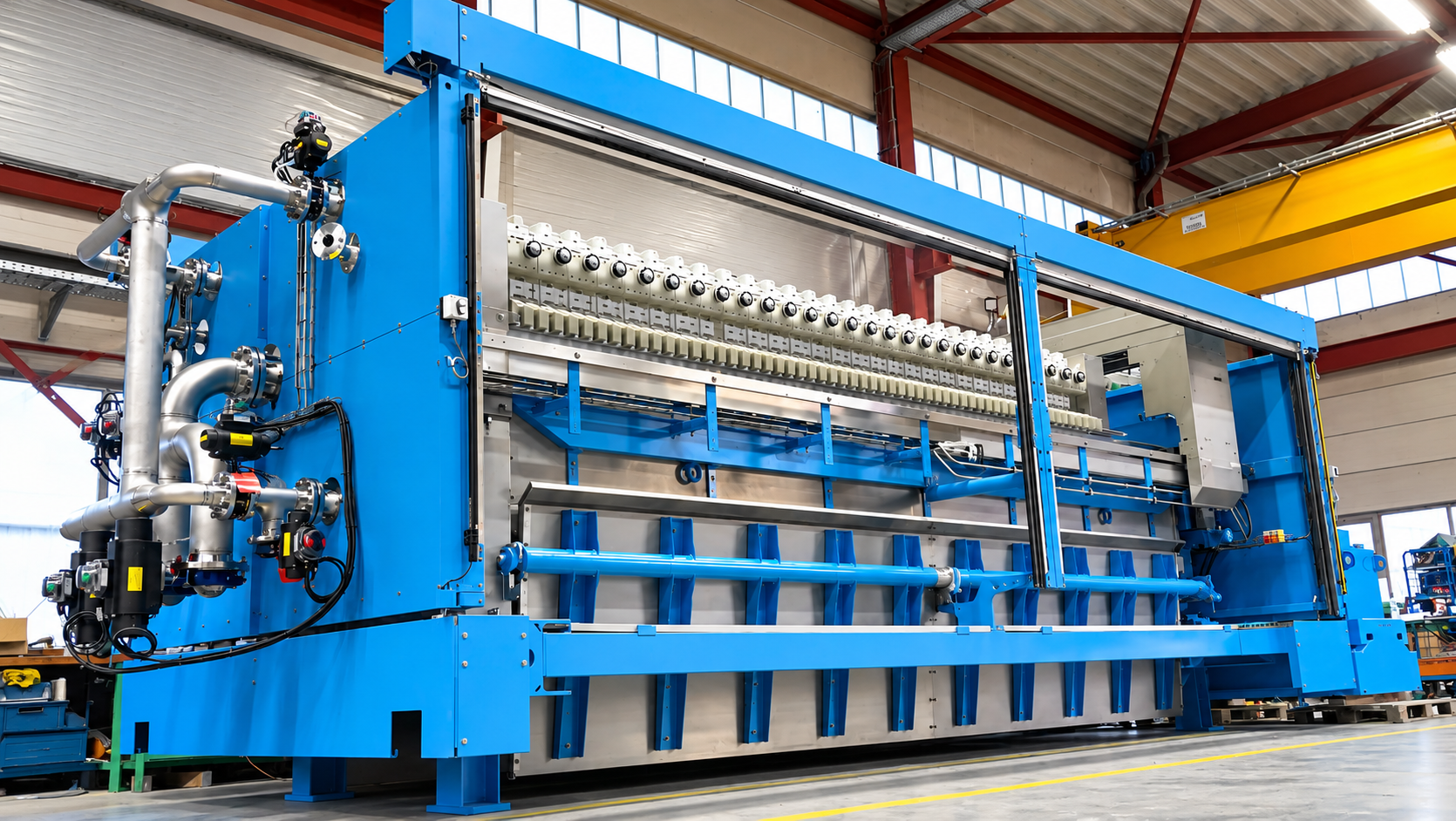
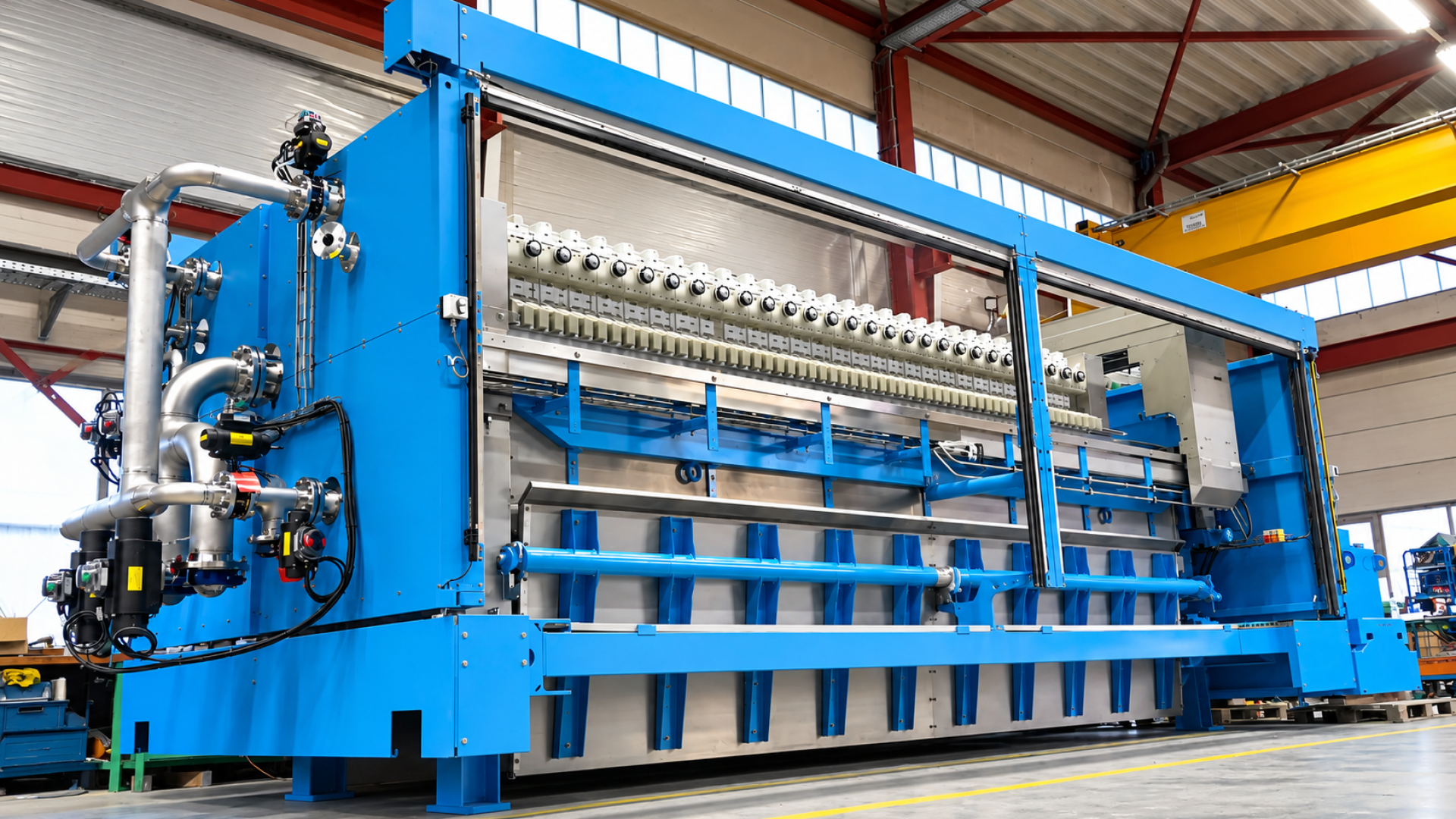
To meet these demands, Nyrstar partnered with German manufacturer MSE Filterpressen GmbH to install a fully automated membrane filter press. The system’s two-stage dewatering process, mechanical compression followed by hydraulic membrane squeezing, ensures maximum dryness and easy handling of filter cake. Resulting in a fully automated membrane filter press tailored to the demands of the RLE process.
Riccardo Rumé, Chief Technical Officer at MSE Filterpressen, emphasized the importance of precision engineering in such environments, We don’t just build machines, we create solutions that perform under pressure, both literally and figuratively. Our goal is to make industrial processes cleaner, safer, and more efficient across the globe.
This solution offers valuable insights for African producers facing similar growth and efficiency challenges, especially in regions where water scarcity, energy constraints, and environmental regulations demand smarter process control.
The system operates in two phases: solids are first retained under mechanical pressure, then compressed further as the membranes expand hydraulically with water. This dual-action mechanism ensures superior dewatering and simplifies handling of the discharged filter cake, critical for maintaining efficiency and safety in high-volume operations.
The press was custom-designed to meet Hobart’s specific needs, including chemical resilience, high mechanical strength, and accurate control throughout the entire filtration cycle. This level of customization is increasingly relevant for African mines operating in diverse geological and climatic conditions.
We believe true innovation starts with understanding, Rumé adds, every filter press we deliver is tailored to the client’s process, it’s not just equipment, it’s a strategic solution.

Built to Withstand Harsh Conditions
The slurry produced during zinc leaching is highly corrosive. To withstand these conditions, the filter press incorporates PVDF (polyvinylidene fluoride) membranes for chemical resistance, and duplex stainless steel for structural integrity. These materials extend service life and reduce maintenance especially valuable in African operations where equipment longevity and reliability are critical to maintaining uptime and controlling costs.
In other applications, such as recycling contaminated construction waste, MSE’s membrane filter presses have enabled the recovery of valuable materials while permanently removing pollutants from the cycle. These innovations show how filtration can support circular economies and reduce reliance on virgin resources.
To address logistical challenges, the 40-tonne unit was engineered in modular sections, simplifying transport across a 16,000-kilometre route from Germany to Tasmania. This modularity also enabled straightforward assembly on a site with limited space, a design consideration that could benefit African operations in remote or spatially constrained locations.
The project was managed jointly by MSE’s specialist team and Nyrstar’s project managers, overcoming spatial constraints and strict timelines to deliver a fully operational system. It’s a testament to what can be achieved when engineering excellence meets logistical precision.

Technology That Goes Beyond Filtration
MSE’s membrane filter presses are engineered for more than just dewatering—they’re designed to transform industrial separation into a smart, automated process. Their systems include Dual-sided feed systems for uniform sludge distribution, real-time residual moisture monitoring, automatic cloth cleaning and cake discharge, remote maintenance via industrial routers and membrane break detectors for proactive safety.
These features are powered by MSE’s proprietary 2FAST Discharge Technology, which dramatically reduces cycle times while maintaining high throughput, allows operators to fine-tune performance, respond to changing feed conditions, and maintain optimal filtration parameters all with minimal human intervention.
Automation isn’t just about efficiency or convenience, Rumé explains, It’s about protecting people, consistency, safety, scalability and ensuring that every cycle runs with the same precision day in, day out, because our systems are designed to run reliably with minimal operator intervention.
Model for African Mining Progress
From a sustainability perspective, lower residual moisture in the filter cake reduces energy demand for drying and simplifies transport and disposal. These efficiencies contribute to a cleaner operation and support broader environmental goals.
Nyrstars’ success in Hobart is more than a technical upgrade, it’s a signal of what’s possible when innovation meets purpose and underscores a broader industry shift, automation, precision, and sustainability are no longer optional, they’re essential. As African mining and industrial sectors modernize, investments in advanced separation technologies like membrane filter presses could unlock new levels of performance and resilience.
We believe the future of mining lies in intelligent systems that adapt to the environment and empower operators, and Africa has the potential to adapt and lead this transformation, Rumé emphasised.
From gold and copper to rare earths and battery metals, the continent’s resource base is vast and so is its opportunity to leapfrog into next-generation mining practices. By adopting technologies that combine efficiency with environmental stewardship, African producers can position themselves as global leaders in responsible resource development.
Advanced filtration systems from MSE Filterpressen offer a strategic edge in a competitive global market. They enable higher recovery rates, reduce operational risks, and support long-term sustainability all while enhancing worker safety and process reliability.