

In an exclusive interview with African Power, Mining & Oil Review, Colin Hehir, Panametrics Vice President, discussed the company’s outlook for the region.
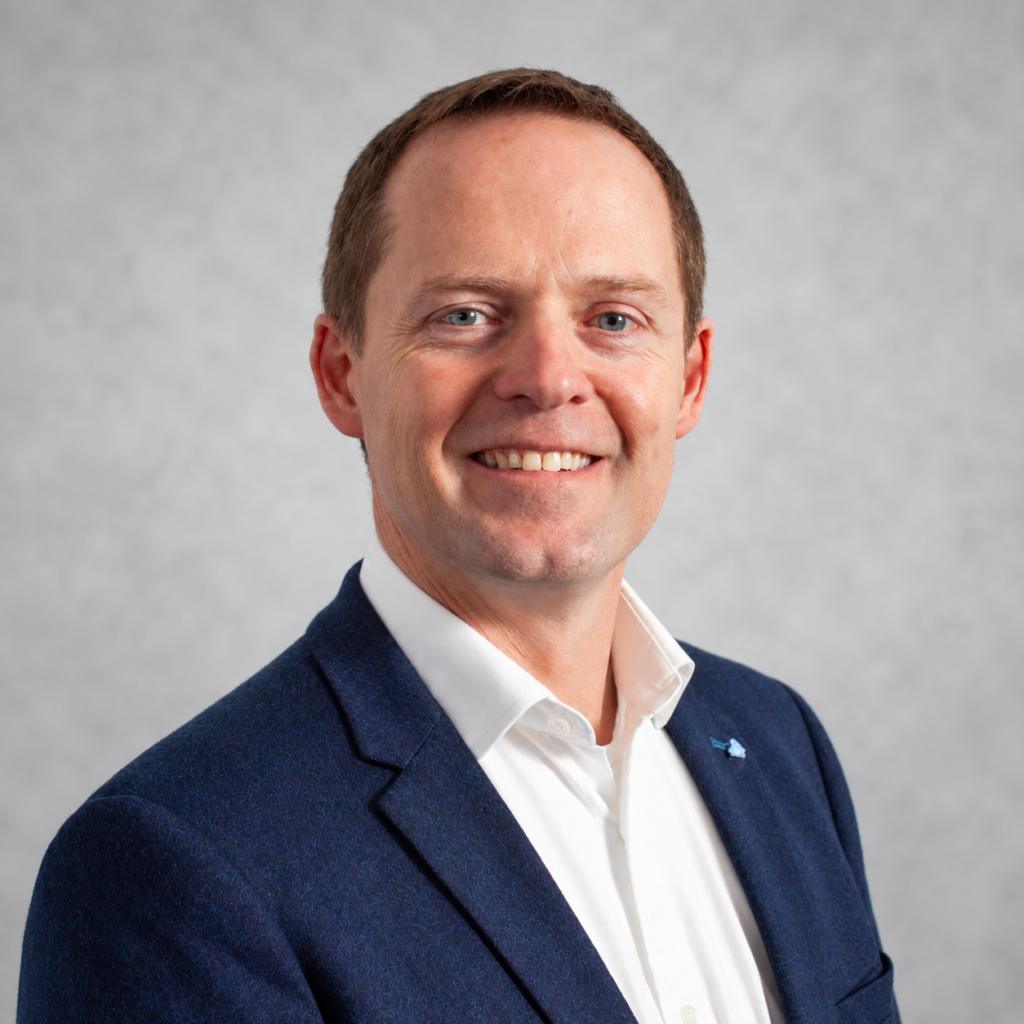
Colin Hehir, Panametrics Vice President
APMOR: What would you like the MENAT/India and SSA region’s energy, mining, water, industrial, oil and gas sectors to know about Panametrics’ capabilities
Colin: Leveraging more than 60 years of measurement expertise, Panametrics, a Baker Hughes business, is a global company recognized for designing, developing and manufacturing world-class high quality, high accuracy sensors including:
- analyzer systems for measuring moisture, oxygen, and hydrogen;
- measurement systems, including ultrasonic solutions, for liquid, steam, gas and flare flow;
- and solutions for optimizing flaring operations, including monitoring, controlling and reducing emissions.
Panametrics’ technology provides advanced levels of accuracy, reliability and stability, enabling customers to: drive efficiency, productivity, improve safety and compliance performance; and drive down emissions.
Providing peace of mind across critical industrial measurements, Panametrics products are trusted by customers to deliver in the toughest applications across a wide range of sectors, including oil & gas, renewables, power generation, steel, healthcare, water and wastewater, chemical processing, food & beverage.
APMOR: Can you provide an indication of some of your solutions that are already deployed in Africa?
Colin: We have a strong track record across the globe, including Africa, of deploying our measurement technology in tough applications and delivering results that enable our customers to achieve operational gains. We offer extensive technical support and expertise, with direct access to industry experts for consultation and service across Africa, either directly through Panametrics or our distributors, Trexm and OIH.
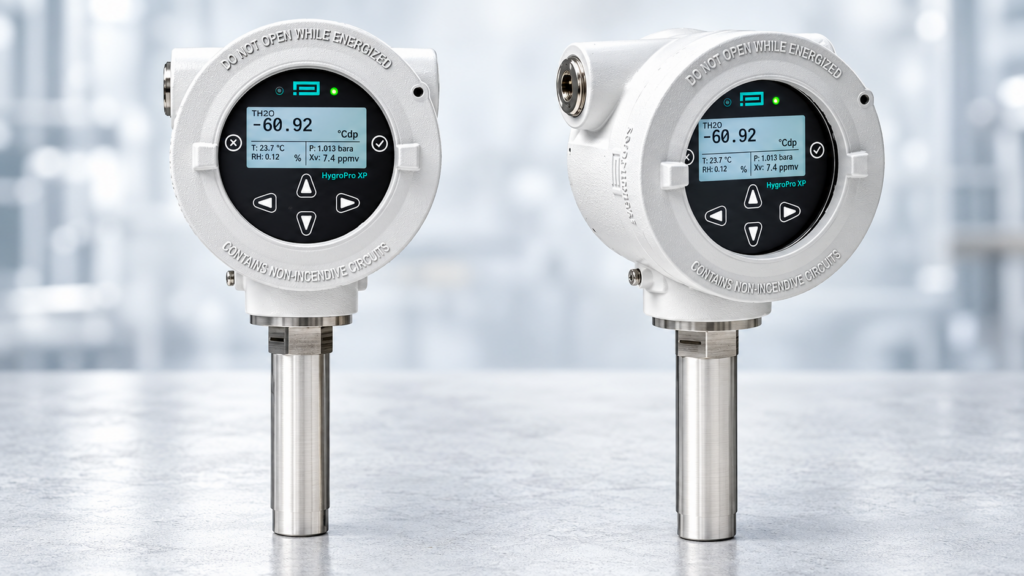
Many of our solutions are already supporting customers in Africa. For example, our next generation moisture transmitters like the HygroProII and HygroPro XP are helping oil and gas customers in Angola and Nigeria monitor trace moisture levels. Products like moisture.IQ, our flagship multifunctional analyzer, and AURORA our TDLAS (tuneable diode laser absorption spectroscopy) moisture analyzer, have been providing accurate and reliable moisture trace measurements in Africa for years.
We believe there will be strong demand in Africa for our recently launched gas analyzers, the XMTCpro binary gas analyzer and the XMO2pro thermoparamagnetic oxygen analyzer in safety applications. These technologies possess advanced features, enhanced performance, and compact design with integrated display and carry SIL2 certification. There is a strong market in Africa for these solutions.
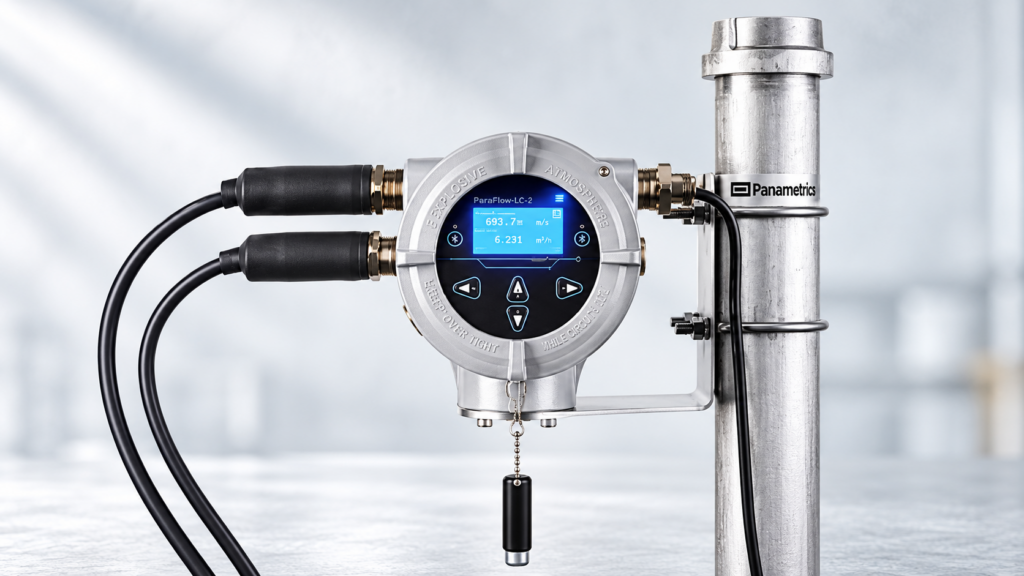
Meanwhile, industry majors across the continent have been relying on Panametrics ultrasonic liquid, steam, gas and flare meters to measure flow for over four decades. For example, our flare gas mass flowmeters provide critical flow data and diagnostics reliably over a wide flow range (turn-down ratio) with excellent low-end resolution. I’m proud that we’ve helped improve the efficiency of petrochemical plants, refineries, LNG processes, pipelines as well as onshore and offshore production facilities in African countries including South Africa, Nigeria, Angola and Gabon.
APMOR: What future trends do you see shaping the market for flow measurement and process analyzers?
Colin: Technological advancements, regulatory changes, and the growing emphasis on efficiency and sustainability are shaping the landscape. Industries such as mining, energy, water utilities, and petrochemicals are evolving ever more focused on improving productivity and reducing waste. Buoyed by the shift towards Industry 4.0, we’re seeing these sectors increasingly recognize the ability of flow measurement and process analyzer technologies to contribute to improved operational performance. Our technologies offer real-time data, empowering companies to make informed decisions and optimize their operations.
For example, we have seen an increase in demand from countries including South Africa, Nigeria and Algeria. With energy challenges and commitments to sustainability, there is a growing emphasis on solutions that optimize energy use and reduce waste. Flow measurement and process analyzer technologies will be crucial in helping industries, particularly in the energy, water, and manufacturing sectors, to reduce energy consumption, minimize waste, and achieve more sustainable operations.
The desire for certified safe installations is gaining renewed traction in Africa. We see increasing demand for IEC 61508 SIL certified meters. We were the first ultrasonic flowmeter company to introduce a SIL certified by design electronics for liquid measurement in 2013. In 2024 we released our second generation liquid SIL electronics – XMT1000 SIL – that for the first time can be used in all our liquid meters whether they are wetted, wetted redundant (up to SIL3) and clamp on (installation from outside the pipe). We also did the same for our process analyzers last year with the introduction of our XMTCpro, XMO2pro, which are SIL certified by design.
APMOR: What role does sustainability and the environment play in Panametrics’ product development strategy?
Colin: Our broad range of measurement technologies are designed to provide the precision and accuracy required to unlock insights that will improve customers’ productivity but also support their decarbonization strategies.
For example, our ultrasonic flow meters are helping to identify leaks and reduce water consumption in non-revenue water applications across water networks and municipalities’ water distribution across the globe.
Our gas and moisture measurement solutions are widely deployed in hydrogen production, transportation, storage and utilization across the continent. Our technology is used to measure hydrogen purity and impurities such as moisture and oxygen. These measurements are critical in processes like steam methane reforming and electrolysis.
Panametrics ensures its products comply with the environmental regulations and sustainability standards specific to each region, ensuring that our solutions meet or exceed the regulatory requirements for carbon emissions, waste management and energy efficiency.
APMOR: One of the global hot topics in the oil and gas sector is reducing methane emissions from flaring operations. How do you support customers here?
Colin: Incomplete flaring is a major cause of methane emissions; 80 times more potent than CO2 over a 20-year period, methane is one of the most harmful forms of emissions.
By using our flare.IQ technology and its advanced analytics platform, operators can pull critical information about their flare systems, including temperature, pressure, vent gas velocities and gas composition, to calculate the optimum levels of flare performance and ensure 98%+ high-efficiency flare combustion and therefore minimize emissions.
bp recently adopted flare.IQ – it can now accurately determine the efficiency of its flare performance, the volume of flare emissions and initiate quick and effective interventions to minimize emissions.
flare.IQ is easy to deploy, cost effective and has a proven track record in optimizing flare operations and significantly reducing methane emissions across the globe.
APMOR: How does Panametrics adapt its products for different regional markets, such as SSA?
Colin: African markets, especially in remote or harsh environments, present diverse climatic and operational conditions, such as extreme temperatures, humidity, and dust, which can impact the performance of industrial measurement products.
However, we design our products with enhanced durability, weather-resistant enclosures, and high tolerance for temperature and environmental stress. Our flow meters and analyzers are customized to withstand harsh outdoor conditions, ensuring reliable performance in the most challenging industrial settings like oil & gas fields or water treatment plants with tropicalization of our transmitters and electronics, and depending on the ambient conditions, also installed under a sunshade.
We also offer products with localized language options, ensuring that users can interact with the system in their native language, improving usability and customer satisfaction. For African countries, this includes English, French and Portuguese.
APMOR: Would you say that you have revolutionized gas, moisture and flow measurement technology in the MENAT/India and SSA regions.
Colin: Absolutely! Panametrics’ ultrasonic flow meter technology has become the standard in many industries. Meanwhile our flare.IQ technology is revolutionizing how oil and gas operators monitor, control and reduce emissions from flaring.
Panametrics introduced the patented thin-film aluminum oxide moisture sensor in the 1960’s and has continuously improved the sensor performance, making this technology ubiquitous in Africa for moisture measurement. In 2009, we introduced Aurora and its TDL technology (including its 6 patents). Its reliability and the ability to confirm its proper operation remotely made it a perfect fit for Africa where mobilizing highly technical resources needed to troubleshoot other technologies would be a challenge.
APMOR: What recent innovations has Panametrics introduced in its product/service lineup for the MENAT/India and SSA regions.
Colin: In terms of technology developments, 2024 was a good year for Panametrics. For example, we launched a collection of gas, flow and moisture sensor technologies offering advanced levels of accuracy, reliability and durability which drive productivity in hydrogen and other applications across energy and industrial sectors. We also launched an advanced oxygen analyzer, the XMO2pro where the compact design and SIL certification make it ideal for inerting/safety and gas-purity applications.
In 2025, we are set to introduce four groundbreaking new technologies. While I can’t reveal too much at this moment, I can tell you that we’ve pushed the boundaries of innovation to develop measurement technology that offers customers unparalleled precision and reliability. Watch this space!
APMOR: How can Panametrics contribute to sustainable development in the SSA region?
Colin: By continuing to provide innovative measurement and monitoring solutions that address key challenges related to resource management, energy efficiency, environmental protection, and industrial optimization.
Many parts of Africa face water scarcity, Panametrics’ flow meters and monitoring solutions can help improve the efficiency of water distribution systems by providing accurate data on water flow, pressure, and usage, which leads to better detection of leaks, reduced water wastage, and optimized water use in agriculture, municipalities, and industries.
Energy efficiency is a major concern, particularly in industrial and manufacturing sectors. Our ultrasonic flow meters, for instance, help industries optimize the use of energy by accurately measuring fuel, gas, and steam flows, which reduces waste, lowers energy costs, and promotes more sustainable energy use in sectors like mining, manufacturing, and power generation.
As Africa increasingly invests in renewable energy sources, such as electrolyzers for hydrogen production and renewable natural gas from landfills and other renewable gas sources, our monitoring solutions can help optimize these systems by providing accurate data on energy generation, distribution, and consumption.
APMOR: What is the future outlook of Panametrics in Sub-Saharan Africa.
Colin: With many countries focusing on improving infrastructure, energy generation, water management, and industrial automation, demand for Panametrics’ measurement and control systems is increasing across the SSA energy (oil, gas, and renewables), water management, and manufacturing sectors.
As Panametrics continues to expand its presence in Africa, I think we’ll play a pivotal role in supporting the region’s industrialization, sustainability goals, and technological advancement. By focusing on local adaptation, training, and building partnerships, we are well-positioned to grow our footprint in Africa and make a meaningful impact on the continent’s industries and communities.