

Written by:
Ian Watkins
After the Last Extraction: Africa’s Defining Test in Mine Closure and Rehabilitation
Mine closure and rehabilitation are where promises are tested—where commitments to sustainability, responsibility, and shared value are either fulfilled or exposed, Ian Watkins details.
In Africa’s great mining regions, the end of extraction is rarely the end of impact.
Across the Witwatersrand, the Copperbelt, and the cobalt-rich provinces of Central Africa, the remnants of past mining booms remain etched into the landscape, abandoned shafts, polluted waterways, and communities left to navigate life after the last shift has ended. These sites are not just environmental liabilities, they are enduring symbols of an unresolved question: what does responsible mining look like when the ore runs out? As Africa positions itself at the centre of a new global resource race, fuelled by demand for critical minerals, the issue of mine closure and rehabilitation is moving from the margins to the mainstream. It is no longer a technical footnote. It is a defining test of governance, credibility, and long-term economic strategy.
Few countries illustrate the legacy challenge more starkly than South Africa. With more than a century of intensive mining, it is home to thousands of abandoned and ownerless mines, many dating back to the gold rush era. The environmental consequences are profound. Nowhere is this more visible than in the crisis of Acid Mine Drainage, where toxic water from old mine workings rises to the surface, contaminating rivers and threatening urban water systems. The Witwatersrand Basin, once the engine of global gold production, now requires ongoing and costly intervention to manage this legacy.
Government estimates suggest that rehabilitating abandoned mines could cost billions of dollars, far exceeding available public funds. In effect, the liabilities of the past have been transferred to the present, and to the taxpayer. This is not simply a South African problem. Across the continent, from Zambia to Zimbabwe, legacy mines continue to pose environmental and safety risks, often in regions where regulatory oversight was historically weak or inconsistent.
Kabwe: A Cautionary Case
If South Africa represents the scale of the challenge, Zambia’s Kabwe mine represents its human cost. Once one of the world’s largest lead and zinc operations, the Kabwe Mine has left a toxic legacy that persists decades after closure. Soil contamination in surrounding communities has been linked to elevated blood lead levels, particularly in children, making it one of the most severe environmental health crises on the continent.
Efforts to remediate the site are ongoing, supported by international partners, but progress is slow and complex. Kabwe underscores a critical lesson: closure is not a single event, but a long-term process, one that can span generations if not managed properly from the outset.
A New Wave, A New Risk
Africa is now entering another mining boom, driven by the global demand for critical minerals essential to clean energy technologies. The Democratic Republic of the Congo dominates global cobalt production, while Namibia and Botswana are expanding their roles in uranium and diamond markets respectively.
This surge presents an opportunity, but also a risk. Without robust closure frameworks, today’s investments could become tomorrow’s liabilities.
Encouragingly, the regulatory landscape is evolving. Many African countries now require detailed closure plans as part of mining licences, along with financial guarantees to cover rehabilitation costs. Investors, too, are placing greater emphasis on environmental, social, and governance (ESG) standards, creating additional pressure for compliance.
But policy alone is not enough. Implementation remains uneven, and enforcement capacity is often limited. The gap between regulation and reality continues to define the sector.
The Financial Fault Line
At the heart of the closure challenge lies a deceptively simple question: who pays? In principle, mining companies are responsible for funding rehabilitation. In practice, the answer is often more complicated. Financial provisions are frequently underestimated, poorly managed, or eroded over time. In some cases, companies exit projects before closure obligations are fulfilled, leaving governments to absorb the cost.
South Africa’s experience is instructive. Despite having one of the continent’s most developed regulatory frameworks, it continues to grapple with inadequate provisioning for historical mines. Recent reforms aim to tighten requirements and improve oversight, but the legacy gap remains substantial.
Elsewhere, capacity constraints within regulatory agencies limit their ability to assess closure costs accurately or enforce compliance effectively. This creates systemic risk, one that could expand as the current mining cycle matures.
Communities on the Edge
For mining communities, closure is not an abstract concept, it is an economic shock. Towns built around a single mine often face steep decline when operations cease. Jobs disappear, local businesses contract, and municipal revenues shrink. Without proactive planning, the social consequences can be severe and long-lasting.
This dynamic is evident in parts of Zambia’s Copperbelt, where communities have experienced repeated cycles of boom and bust. It is also visible in South Africa’s former gold mining regions, where unemployment and informal activity have surged following mine closures.
The lesson is clear: closure planning must extend beyond environmental rehabilitation to include economic transition. This means investing in alternative industries, developing local skills, and ensuring that communities have a voice in shaping post-mining futures.
From Liability to Opportunity
Despite the challenges, there are emerging examples of more forward-looking approaches. In Botswana, efforts have been made to integrate closure planning into the early stages of mining projects, supported by relatively strong institutional frameworks. The country’s broader reputation for resource governance provides a foundation for more sustainable outcomes.
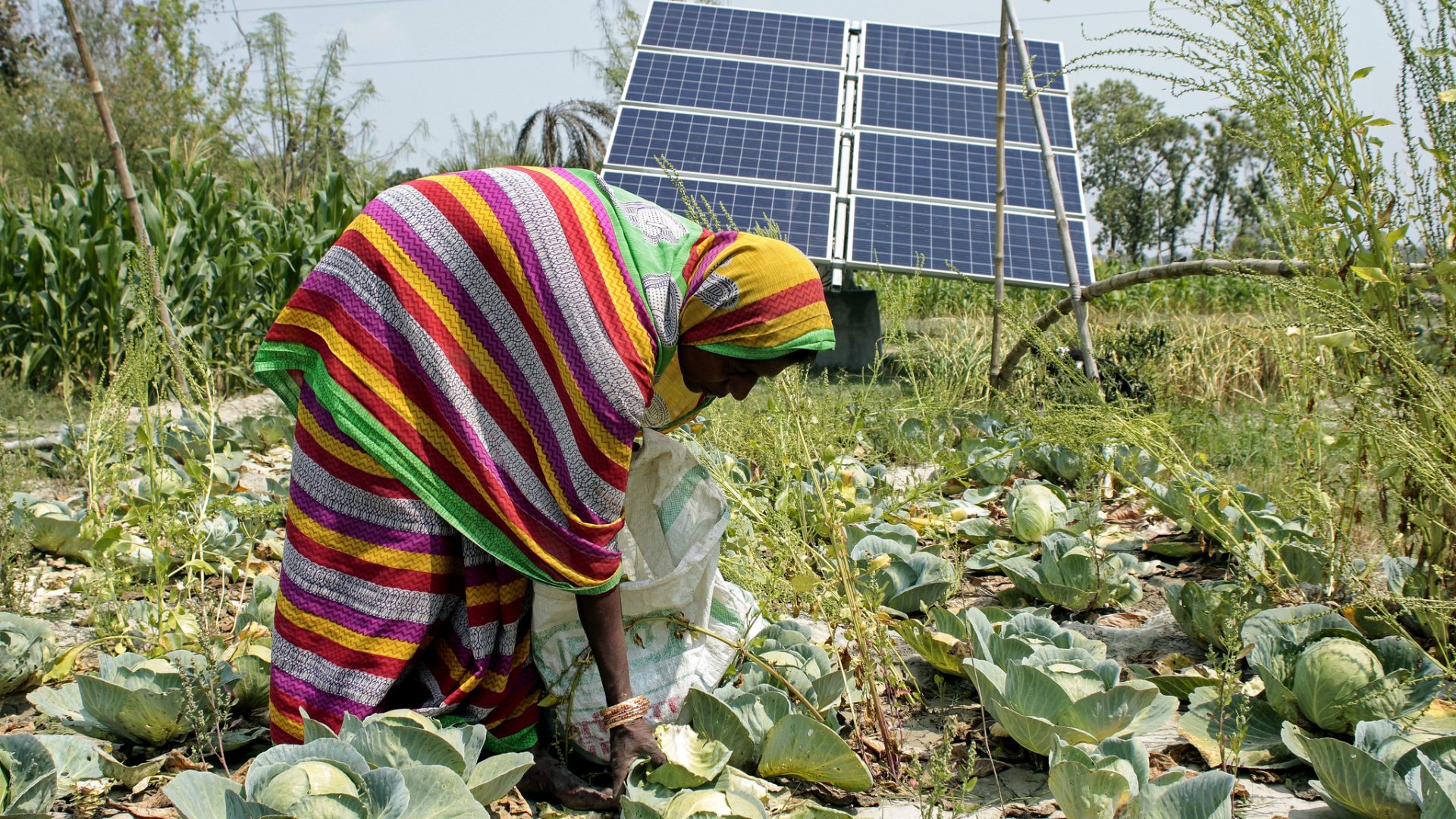
In South Africa, some former mining areas are being repurposed for renewable energy projects, capitalising on existing infrastructure and land availability. These initiatives remain limited in scale but point to a broader possibility: that mine closure can be an opportunity for reinvention rather than decline.
Technological innovation is also playing a role. Advances in water treatment, soil rehabilitation, and environmental monitoring are improving the effectiveness of closure efforts. The concept of “progressive rehabilitation”—restoring land concurrently with mining, offers a way to reduce long-term liabilities while improving environmental outcomes.
Artisanal Mining: The Overlooked Challenge
Any serious discussion of mine closure in Africa must also address the informal sector. Artisanal and small-scale mining (ASM) supports millions of livelihoods across the continent, particularly in countries like the Democratic Republic of the Congo and Ghana. Yet these operations often operate outside formal regulatory frameworks, leaving behind unrehabilitated sites and environmental damage.
Addressing closure in this context requires a different approach, one that combines regulation with support. Formalisation initiatives, access to financing, and technical assistance can help improve environmental practices while preserving livelihoods.
Ignoring ASM is not an option. Its footprint is too large, and its social importance too significant.
The Governance Test
Ultimately, mine closure is a governance issue. It tests the ability of states to enforce regulations, of companies to honour commitments, and of institutions to manage complex, long-term processes. It also tests the relationship between governments, industry, and communities, particularly in terms of trust and accountability.
There are signs of progress. Regional initiatives and international partnerships are supporting capacity building and knowledge sharing. Transparency standards are gaining traction. Public awareness is increasing.
But these gains are fragile. Without sustained political will and institutional strengthening, they risk being incremental rather than transformative.
A Narrow Window for Change
Africa’s current mining boom offers a rare opportunity to reset the terms of engagement.
Projects being developed today will shape the continent’s environmental and economic landscape for decades to come. Decisions made now, on financial provisioning, community engagement, and regulatory enforcement, will determine whether future closures are orderly transitions or costly crises.
The window for action is limited. As global energy systems evolve, demand for certain minerals may shift, potentially accelerating closure timelines. At the same time, climate considerations are adding new layers of complexity, requiring mining companies to address not only local impacts but also broader environmental footprints.
In this context, delay is not neutral. It is a choice with consequences.

The True Cost of Extraction
Africa’s mining sector stands at a crossroads. It is central to the continent’s economic ambitions and to global supply chains. But its long-term legitimacy will depend not on what it produces, but on what it leaves behind.
Mine closure and rehabilitation are where promises are tested, where commitments to sustainability, responsibility, and shared value are either fulfilled or exposed.
The continent has the knowledge, the experience, and, increasingly, the policy frameworks to get this right. What remains is execution.
Because in the end, the true cost of mining is not measured at the point of extraction. It is measured long after, when the machinery is silent, the workers have left, and the land must begin again.
Africa cannot afford another generation of abandoned mines.
This time, the end must be planned as carefully as the beginning.