

Written by:
Anna-Marie Gabriel
Electricity demand across the globe is surging at a pace not seen in decades. The International Energy Agency (IEA) forecasts that between 2026 and 2030, demand will grow by an average of 3.6 percent annually—driven by industrialization, electric vehicles, air conditioning, and the explosion of data centers linked to artificial intelligence. Emerging economies will account for 80 percent of this growth.
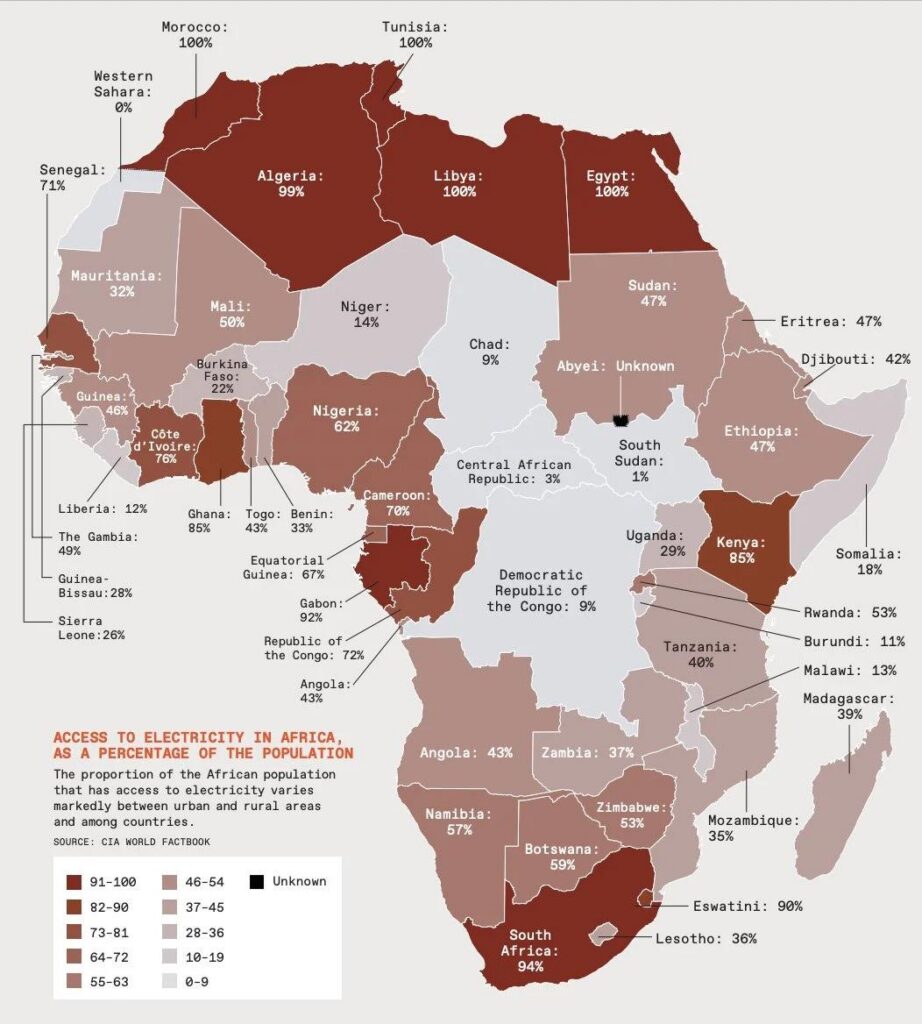
For Africa, this is both a moment of promise and peril. The continent is adding solar, hydro, and gas capacity at record speed, yet its transmission networks remain fragmented and undersized. Without urgent investment in grids, much of Africa’s new electricity risks going unused.
Herein, I explore Africa’s unique position in the global electricity landscape, the opportunities presented by rising demand, and the challenges that must be overcome to ensure that the continent can harness electricity as a driver of industrialization, economic growth, and social development.
Global Context: A Surge in Electricity Demand
The IEA notes that electricity demand rose 4.4 percent in 2024 and 3 percent in 2025, setting the stage for even faster growth in the years ahead. Advanced economies such as the United States and the European Union are experiencing renewed momentum after years of stagnation, largely due to data centers and electrification of transport, while Japan, Canada, Australia, and South Korea are also seeing a similar trajectory. But the real story lies in emerging markets, where industrialization and urbanization are fueling demand at a scale unseen before.
Globally, more than 2,500 gigawatts (GW) of generation, storage, and industrial projects are awaiting grid connection. Of this, 1,600 GW could be connected in the short term if regulatory reforms and grid flexibility technologies are adopted. Investment in electricity grids currently stands at about $400 billion annually, but the IEA estimates that spending must rise by 50 percent to keep pace with demand. BloombergNEF reported that investment exceeded $470 billion in 2025, up 16 percent from 2024, yet this remains insufficient to ease grid constraints.
Africa’s Gridlock
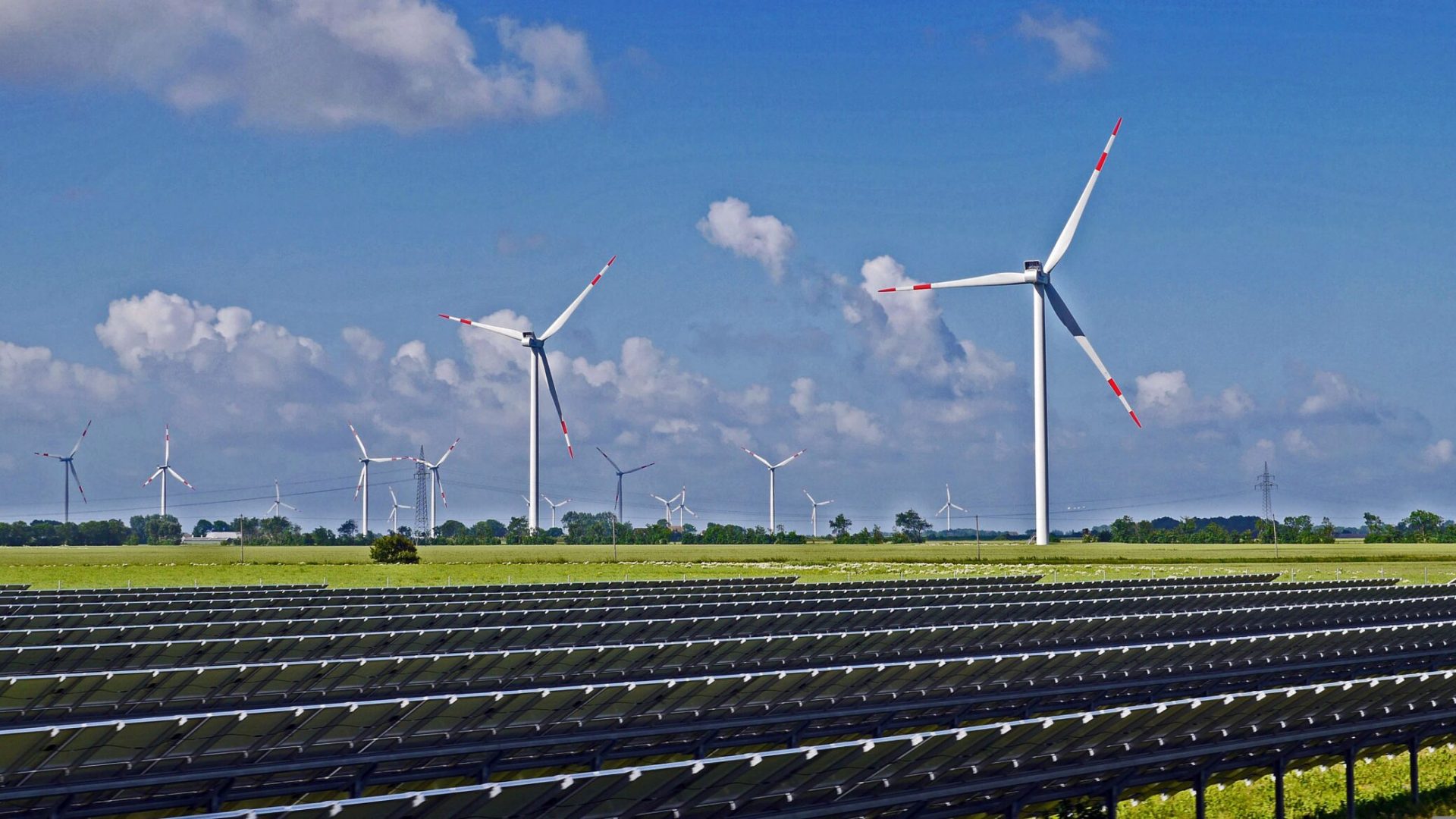
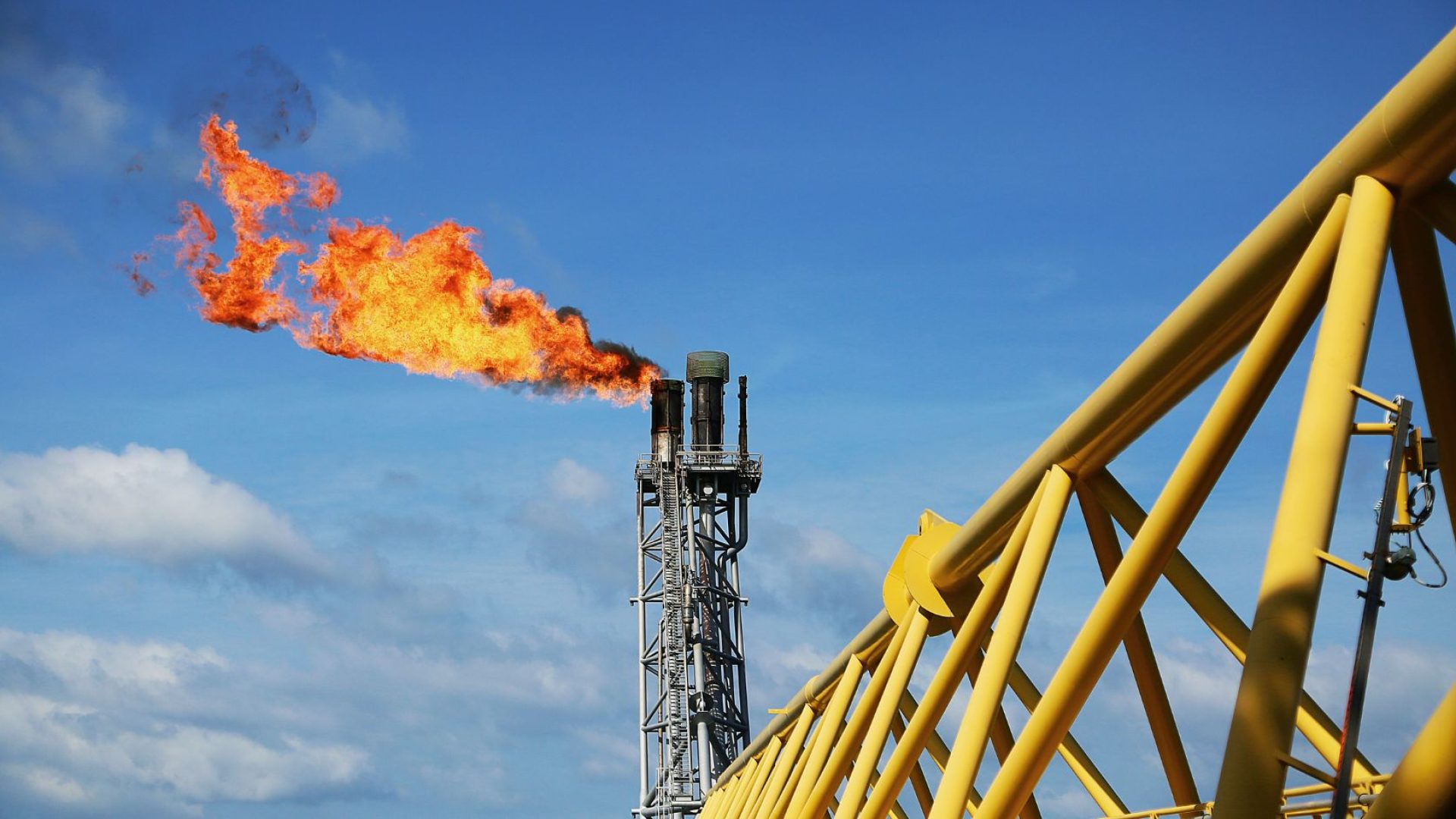
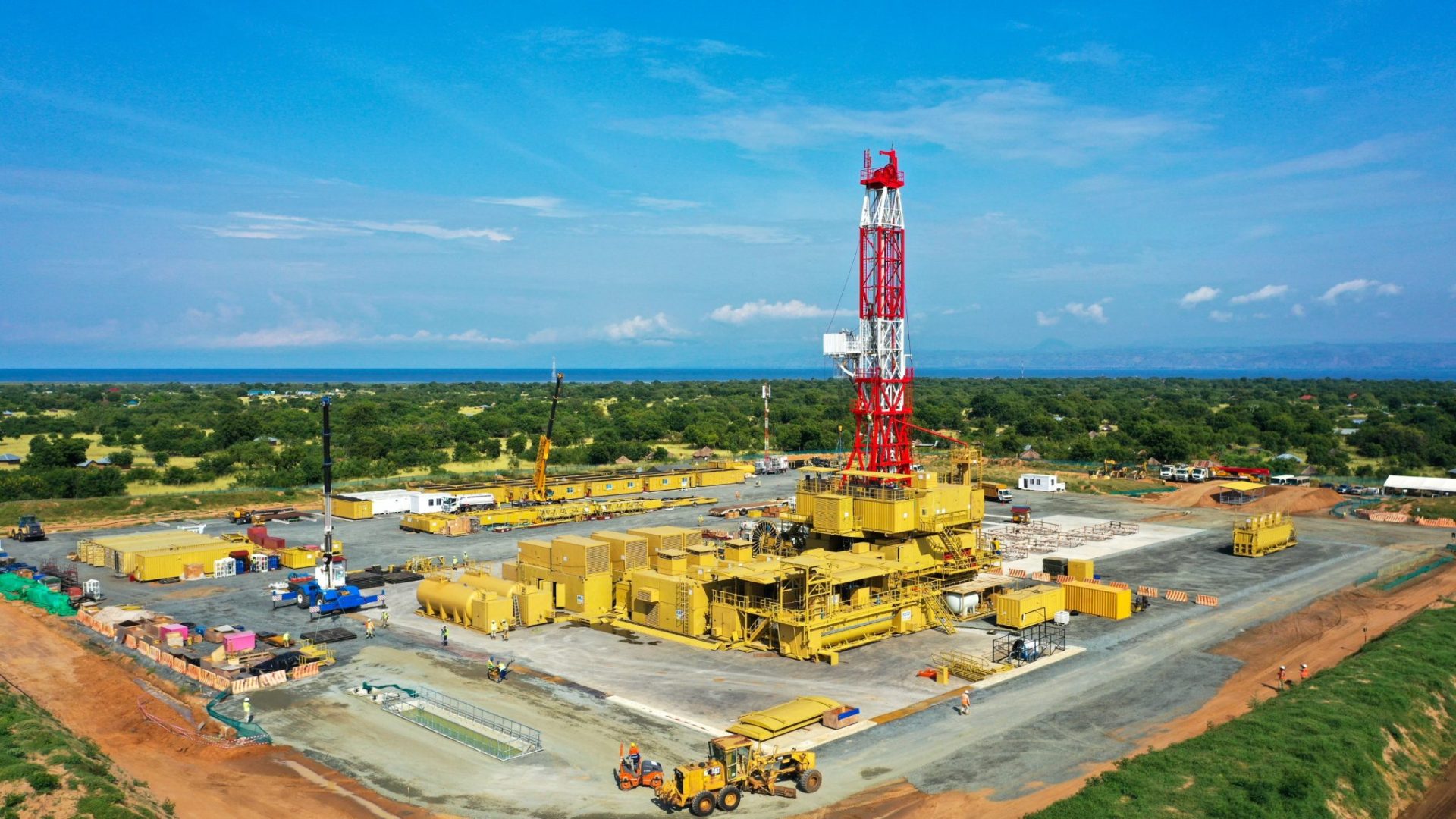
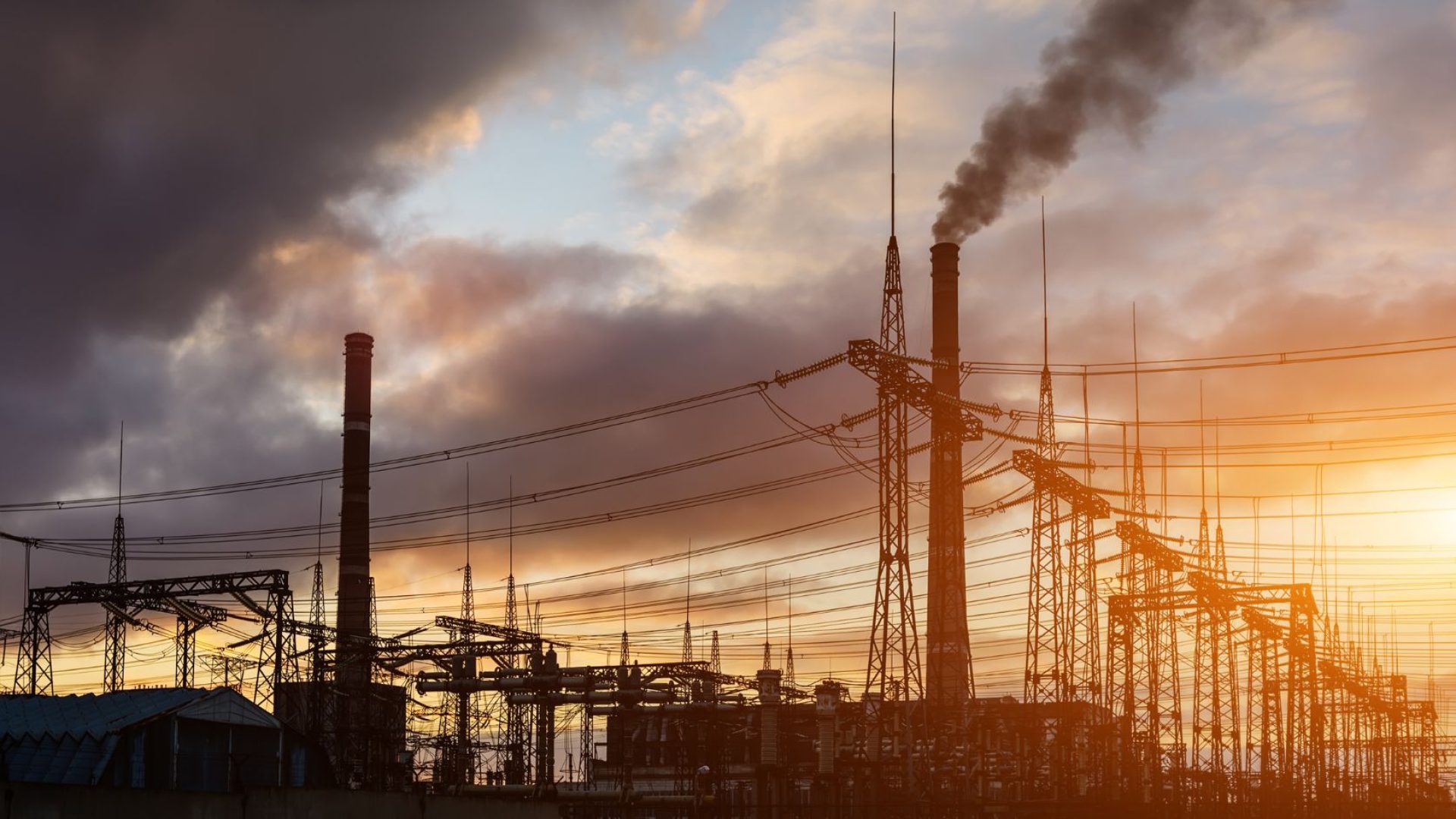
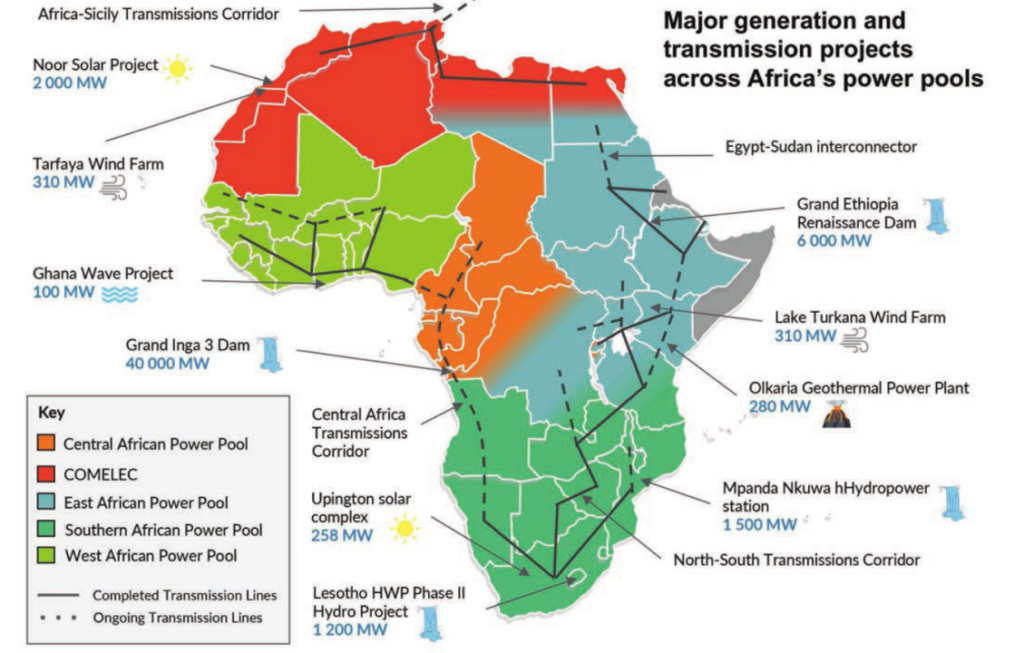
Africa is experiencing rapid additions of solar, hydro, and gas capacity as new generation projects are coming online, from solar and wind farms in Morocco and South Africa, to hydropower in Ethiopia and DRC, and geothermal plants in Kenya are leading the way in renewable energy deployment, while Nigeria, Libya, Egypt and Mozambique are expanding gas-fired generation. However, the continent’s transmission infrastructure is lagging far behind, since transmission lines are not expanding at the same pace.
“Generation is not the problem anymore,” says an energy analyst based in Nairobi. “The problem is getting that electricity to where it’s needed—factories, cities, and households. Without strong grids, power plants become stranded assets.”
The IEA warns that without rapid expansion of high-voltage lines and cross-border links, part of Africa’s electricity will simply go unused. This reduces the economic returns of energy projects and slows industrialization.
The challenge becomes sharper as fiscal constraints limit governments’ ability to fund large-scale transmission projects. Inflation, supply chain disruptions, and labor shortages further complicate expansion.
“Transmission is the missing link in Africa’s energy transition,” says a senior official at the African Development Bank. “We are seeing billions poured into generation, but without grids, that electricity cannot drive growth.”
The IEA stresses that scaling up grid investment is especially critical for Africa. Transmission has become central to converting new capacity into sustained economic growth. Without rapid expansion of high-voltage lines and cross-border links, Africa risks missing the opportunity to leverage electricity as a foundation for industrialization.
Opportunities Amid Challenges
Despite the bottlenecks, Africa’s electricity story is not all bleak and stands to benefit immensely from rising electricity demand, which presents several worthwhile opportunities that could transform the continent.
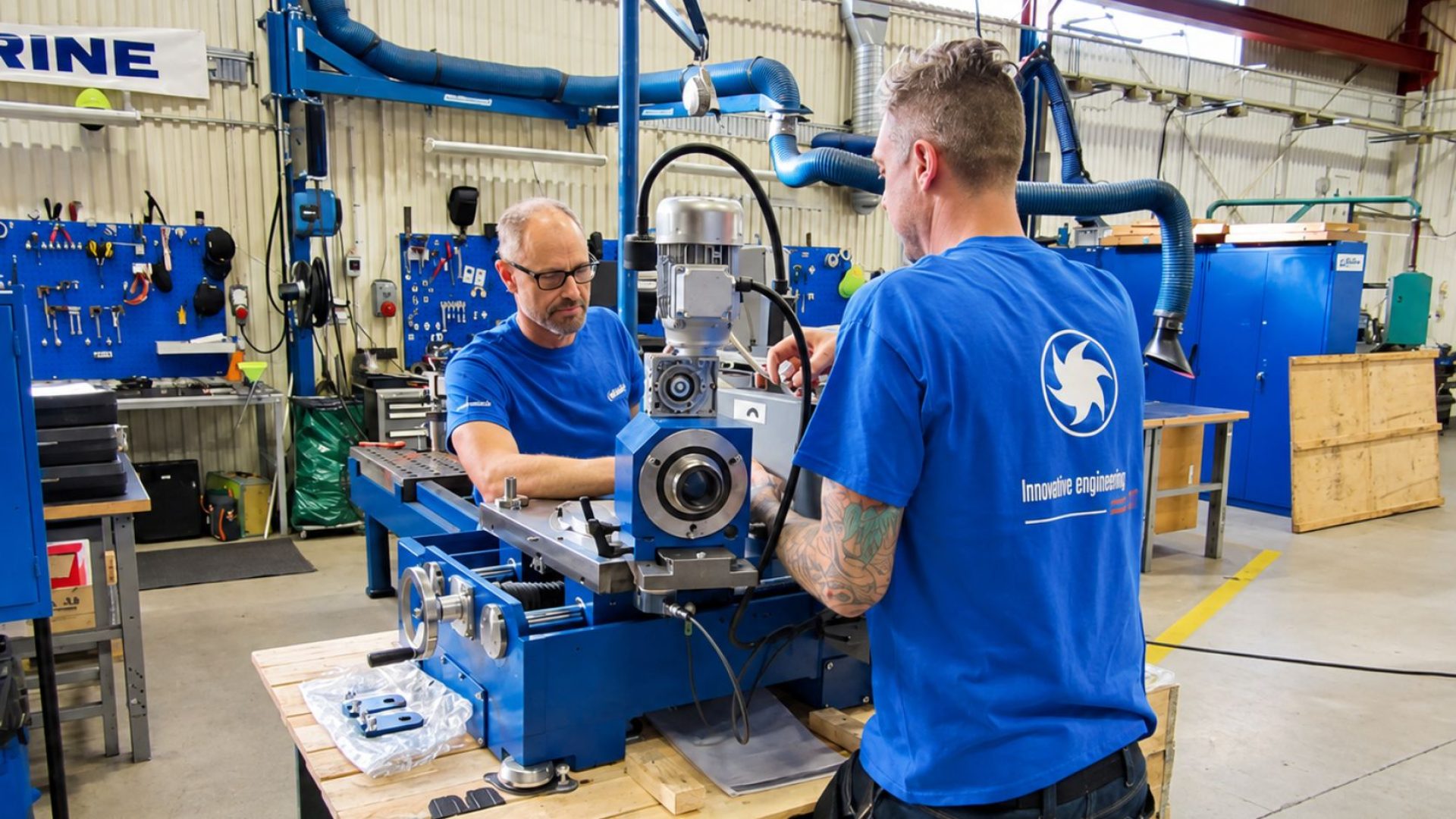
Foremost, electricity is the backbone of industrialization. Africa’s growing population—expected to reach 1.7 billion by 2030—requires jobs, infrastructure, and manufacturing capacity. Reliable electricity can power factories, stimulate value-added industries, and reduce dependence on raw material exports.
Secondly, Africa has some of the world’s best renewable energy resources. The Sahara Desert alone could theoretically generate enough solar power to supply the entire continent. Hydropower potential in the Congo River, geothermal resources in East Africa, and wind corridors in North Africa and the Horn of Africa provide diverse options for clean energy expansion.
Thirdly, Existing initiatives such as the Southern African Power Pool (SAPP), West African Power Pool (WAPP), and East African Power Pool (EAPP) aim to integrate national grids into regional networks. Strengthening these interconnections could allow countries to trade electricity, balance supply and demand, and reduce costs.
Last but not least, the rise of data centers linked to artificial intelligence is not limited to advanced economies. Africa’s digital economy is expanding rapidly, with tech hubs in Lagos, Nairobi, Cape Town, and Kigali. Reliable electricity is essential to support this growth, making grid modernization a prerequisite for Africa’s digital future.
Lessons from the Ground
Ethiopia: Ethiopia has invested heavily in hydropower, most notably the Grand Ethiopian Renaissance Dam (GERD). However, transmission bottlenecks have limited the ability to export surplus electricity to neighbouring countries. Strengthening regional interconnections could unlock billions in revenue.
South Africa: With one of the continent’s most advanced grids, South Africa still faces strain from aging infrastructure. Renewable projects are growing, but transmission expansion is critical to reduce reliance on coal.
Kenya: Kenya has made strides in geothermal energy, becoming a global leader in this sector. However, transmission lines to connect geothermal plants to industrial zones remain insufficient, highlighting the need for grid investment.
Financing the Grid
Meeting Africa’s transmission needs requires innovative financing strategies, such as Public-Private Partnerships (PPPs), governments can leverage private capital to fund transmission projects.
Multilateral support from Institutions such as the African Development Bank (AfDB) and World Bank can and should provide concessional loans and grants.
Green finance initiatives like climate funds, blended finance, and green bonds can be mobilized to support grid modernization, and streamlined approval processes and investment incentives can accelerate project implementation.
The Investment Imperative
The IEA estimates that global grid investment must rise by 50 percent to meet demand. For Africa, this means mobilizing billions of dollars annually. Yet, higher equipment costs, inflation, supply chain disruptions, and labor shortages are slowing network expansion worldwide. Africa’s fiscal constraints make the challenge even more daunting.
Scaling up investment in grids will determine whether Africa can harness electricity as a driver of industrialization, digital transformation, and social development. Without it, the continent risks producing electricity that goes unused, slowing economic growth and undermining electrification efforts.
The stakes are high. Africa’s future depends on its ability to bridge the gap between generation and consumption. Transmission is no longer a technical detail—it is the foundation upon which the continent’s economic aspirations rest.
The IEA’s forecast of rising global electricity demand highlights the urgency of grid modernization. For Africa, the challenge is not simply generating more electricity—it is delivering it effectively. Transmission and distribution networks are the foundation of industrialization, digital transformation, and social development.
Policy action must focus on scaling up investment, strengthening regional interconnections, and mobilizing innovative financing. Without these measures, Africa risks producing electricity that cannot be used, undermining its economic aspirations. With them, the continent can harness electricity as a driver of growth, prosperity, and sustainable development.