

Written by:
Dom Wills
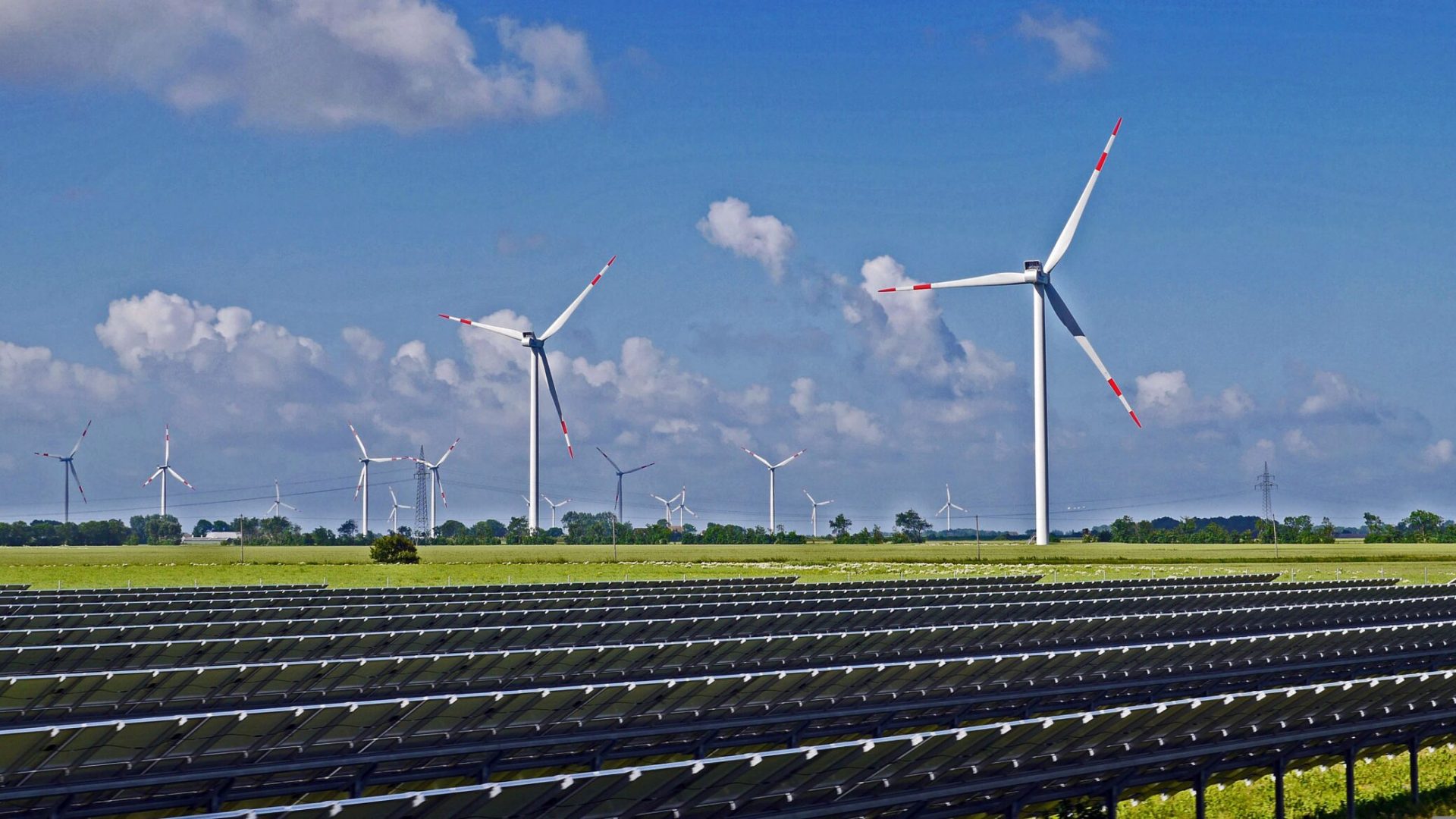
Africa sits on the edge of the renewable frontier. Its vast rural areas, patchy grid coverage and ideal weather conditions make it a continent poised to leapfrog legacy infrastructure bottlenecks with solar solutions that can extend electrification faster and more affordably. Accelerating Africa’s transition to renewable energy means moving away from traditional, centralised energy infrastructure which expects extensive capital and time and instead towards modular solar photovoltaic (PV) systems which are immediate, scalable and accessible.
It’s also a move that is fast becoming critical to Africa’s potential to thrive in a world where global electricity consumption is increasing at the fastest pace in history. According to the International Energy Agency (IEA), the consumption of electricity is expected to increase by 3,500 TWh over the next three years globally. And solar PV is rapidly expanding to meet this need, already exceeding coal in the European Union (EU).
Distributed infrastructure, limited capital and high unemployment in Africa – the very features that are seen as the continent’s constraints – can be turned into its strengths thanks to modular solar PV. Its flexibility means it can be incrementally installed wherever electricity is needed, and the lower capital threshold for each project phase makes solar PV more accessible to communities and governments with budget constraints. As the IEA points out, PV’s inherent modularity allows for power ranging from a few watts to tens of megawatts which allows for the large-scale electrification of Africa while growing local capacity and opportunity.
The world’s most renowned scholar in the field of analysing megaprojects has spent decades building a database of over 16,000 supersized ventures. Oxford Professor Bent Flyvbjerg goes as far back as 1910 gathering insight on a diverse range of projects from bridges and subsea tunnels, dams, planes, telescopes, skyscrapers and the ipod. According to his book “How big things get done”, he notes that 91% of projects go over budget, over schedule, or both. And of the successful 9%, the vast majority don’t achieve their intended benefits. In fact, when considering cost, time and project benefits, Flyvbjerg concludes that a miniscule 0.5% of all the megaprojects in history can be considered successful.
Modularity is the one quality that has a very powerful effect on the success of mega projects and it is driving the future of electricity.
Solar PV is one class of project that stands above all as the most consistently successful because of its modularity. It can be broken down into smaller, repeatable units so learning loops are faster, logistics can be standardised, and deployment localised based on unique conditions or requirements.
The statistics show that solar farms have the lowest risk of failure by a considerable margin. Solar PV showed the highest increase from 2023 to 2024 of all electricity sources. More than five times nuclear and 2.5 times wind, hydro and gas. This growth has resulted in global emissions from electricity being stable for the first time ever and predicted to decline over the next two years.
The modularity in solar PV also continues beyond manufacturing to logistics and construction. Solar PV modules are dimensioned to fit as many as possible into a standard shipping container. This means that standard shipping vessels can be used to move vast quantities around the globe. They can also be transported on land by standard trucks on normal roads that don’t need abnormal load permissions. Once they are on site, the pallets are transportable by standard telehandlers and can be installed by trained unskilled workers. The installation speed gains are rapid after just a few weeks. There are projects in SA where 5000+ solar panels are installed in a single day.
It offers a radical increase in production scale while keeping costs down – in 2014, 40GW were installed globally and since then this figure has increased more than 13-fold in 2024 to 550GW at one-tenth of the cost.
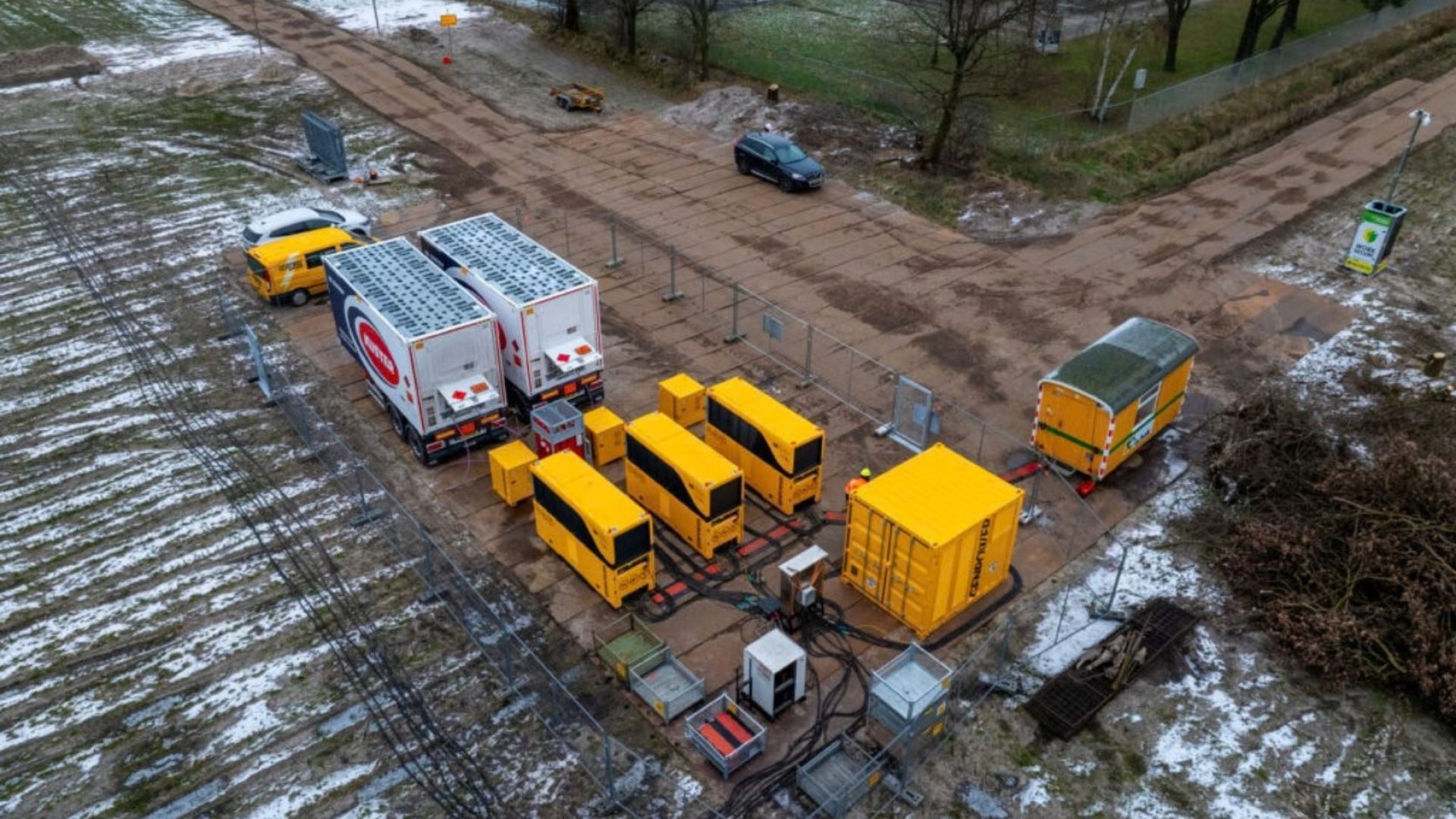
The same modularity is in play within lithium ion storage products. This is because a battery can be broken down into lunch box sized 5kg cells which perform the primary function of storing electrical energy. Tens, hundreds, thousands of these can be connected up to create a battery for a car, ship or grid substation. Similar to what we saw with solar PV modules, the quality, lifespan and affordability are improving rapidly as new technologies and chemistries are developed relatively quickly like eg: substituting lithium in the cathode for more abundant sodium and using solid state electrolytes.
This development is reflected in the battery cost reduction over the past 10 years. They have dropped from $715 to well below $100 for a stored unit of energy. Modern batteries’ rated charge cycles and lifetime have also dramatically improved with more advanced materials and manufacturing.
This is important for electricity storage because the solution for diurnal and weather-related solar variation relies on low cost, long lifespan technology that can store and release large quantities of energy efficiently. If rapid progress continues in battery cell development, we could see the cheapest, fastest growing form of clean electricity gain the valuable ability to reshape itself and follow the electrical load. In traditional power systems terms, a clean energy plant like this could act as a baseload, mid-merit or peaker plant.
For Africa, this means access to power that can be built and maintained without complex grid integration or complex infrastructure. It means putting the continent back on the power map and removing its reliance on fossil fuels. These projects create jobs, build skills and encourage community investment, which changes more than just access to power, it transforms communities and socio-economic challenges.
However, despite being ideally positioned to win the renewable race, Africa is behind. The continent only accounted for 4.7GW of renewable capacity in 2024 compared with China, the EU and the US which account for 489GW. While the continent has grown its renewable contribution, the total remains low at only 3% of global renewable output.
This is another opportunity. If Africa were to fully embrace modular solar PV, not only at the utility scale but through decentralised, commercially financed plants, it could rewrite this energy story.
Policy changes are also helping as licensing is lifted. Since 2021, the lifting of licensing thresholds in South Africa has accelerated private sector participation. The removal of the cap in 2023 allowed IPPs to scale fast and meet new demand from corporate buyers seeking clean, reliable power.
Africa doesn’t need to copy the old, centralised grid model. It can build something smarter with modular, distributed, locally maintained, and economically empowering solar PV solutions. The technology is ready and the economics make sense, what remains is political will and accelerated adoption to light up Africa’s future.