
Protecting metal assets from corrosion remains a constant challenge for industrial maintenance teams. From railings and tanks to structural steel, the durability of protective coatings often determines how frequently repairs are needed—and how costly they become over time.
According to Cortec Coatings Chemist Jake Hemberger, the foundation of long-lasting results lies in disciplined preparation and controlled application. Investing more time upfront, he notes, significantly reduces the likelihood of premature coating failure and repeat work.
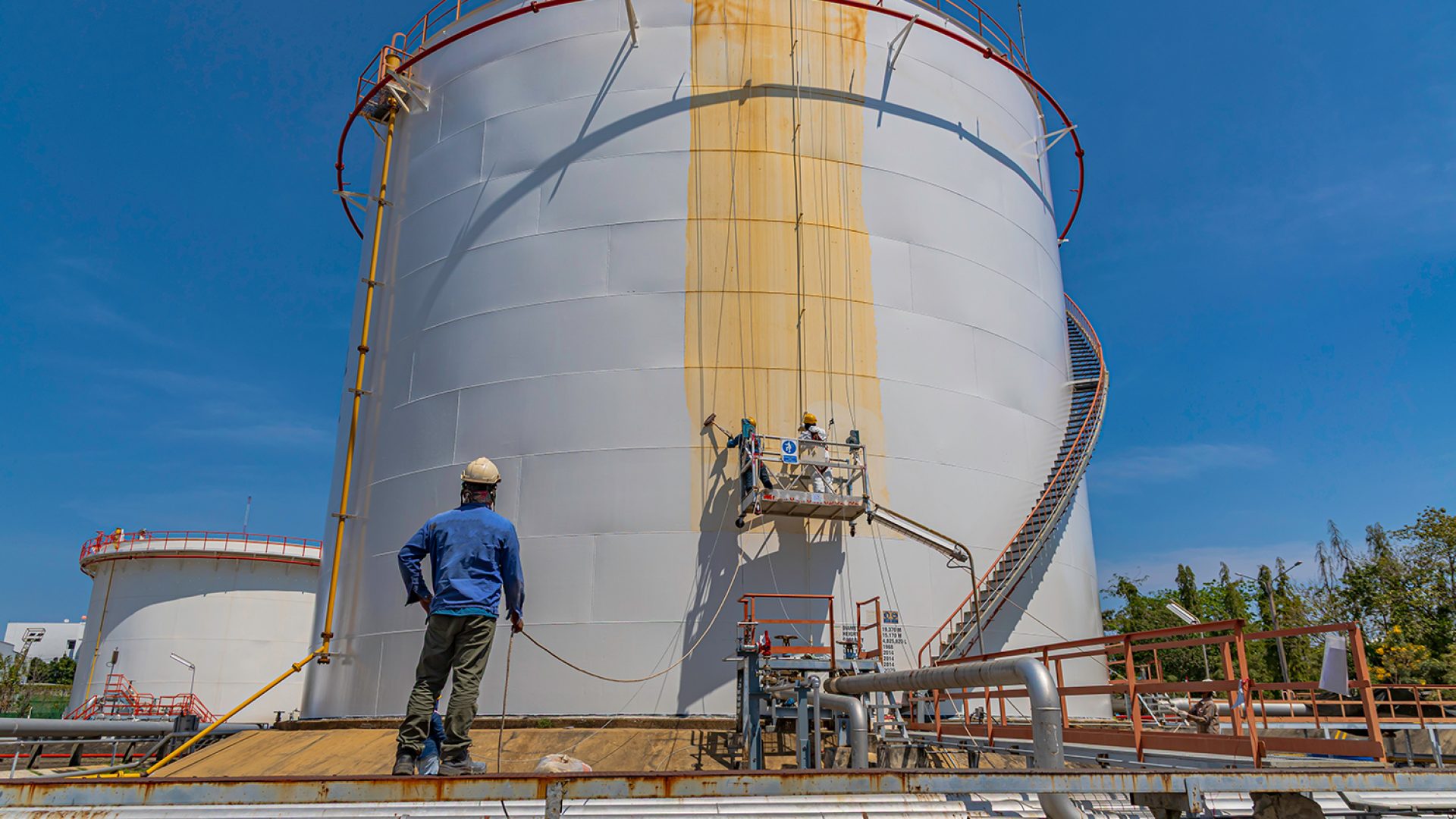
Routine inspection is equally critical. Annual checks are generally recommended, though frequency may vary depending on environmental exposure, coating type and traffic levels. Early warning signs such as rust, blistering or fading should not be ignored. While rust and blistering indicate active failure, fading can signal coating degradation and the need for closer monitoring. One practical strategy is to place a coated sample panel in the same environment, allowing teams to track deterioration more easily.
When repainting becomes necessary, surface preparation is paramount. Simply painting over damaged areas may offer a short-term fix but often accelerates long-term failure. Instead, maintenance crews should remove compromised coating and corrosion until clean metal is exposed, then treat or passivate the surface before applying a new coating.
Where coatings are still intact but ageing, full removal and replacement remains best practice. However, if this is not feasible, overcoating can be effective provided the surface is clean and properly prepared. Light sanding of existing paint helps ensure adequate adhesion between layers.
Ultimately, coating maintenance is an ongoing process. With the right preparation, inspection routines and application methods, operators can extend coating life, reduce downtime and improve overall asset reliability.