

Uganda’s extractives industry and the electrification imperative
By Josiah Habwe.
Uganda is entering an exciting growth period; the country’s energy and extractives industry which include mining, oil and gas and electricity generation is today driving infrastructure growth and subsequent electrification efforts.
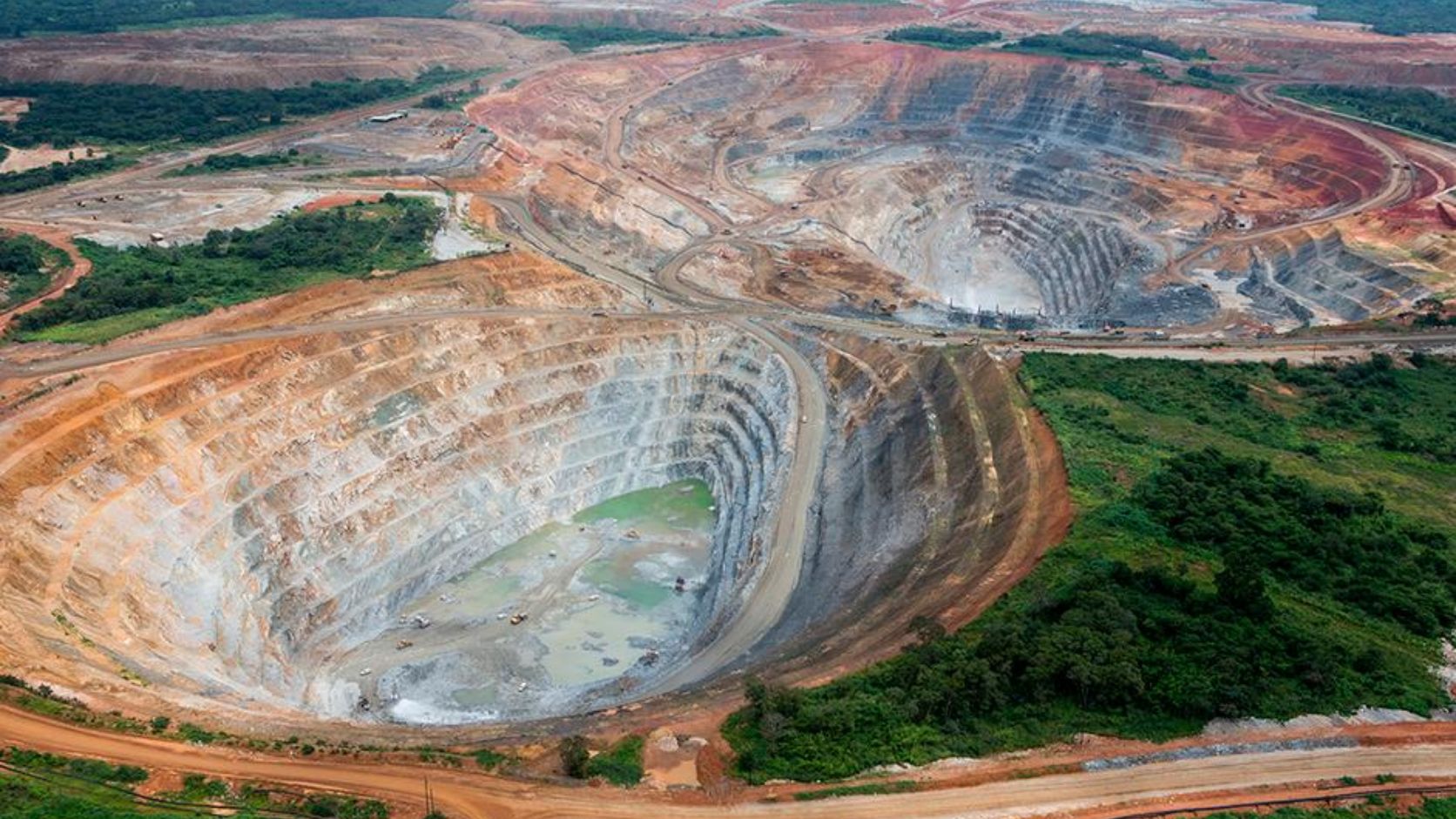
And with good reason. Uganda’s reserves of critical minerals which include lithium, cobalt, and rare earth elements are sought after, and attracting global investment, especially for use in the manufacture of renewables. This has put regions like Karamoja at the forefront of exploration and extraction activities.

Josiah Habwe, General Manager for Tanzania & Uganda, Energy Business at Schneider Electric
Furthermore, Uganda’s Energy Transition Plan (ETP), launched in 2024, outlines a roadmap for universal access to modern energy and sustainable economic transformation which includes $1.5 billion earmarked for renewable energy initiatives.
This, in turn, is equally good news as Uganda, like its counterparts in Eastern Africa, continues to face access electricity challenges with rural areas still underserved and reliant on diesel generators.
The above is therefore serendipitous, if you will, and represents the culmination of two all-important growth points, one the expansion of the country’s energy and extractives industry and two, a renewed commitment in providing access to electricity.
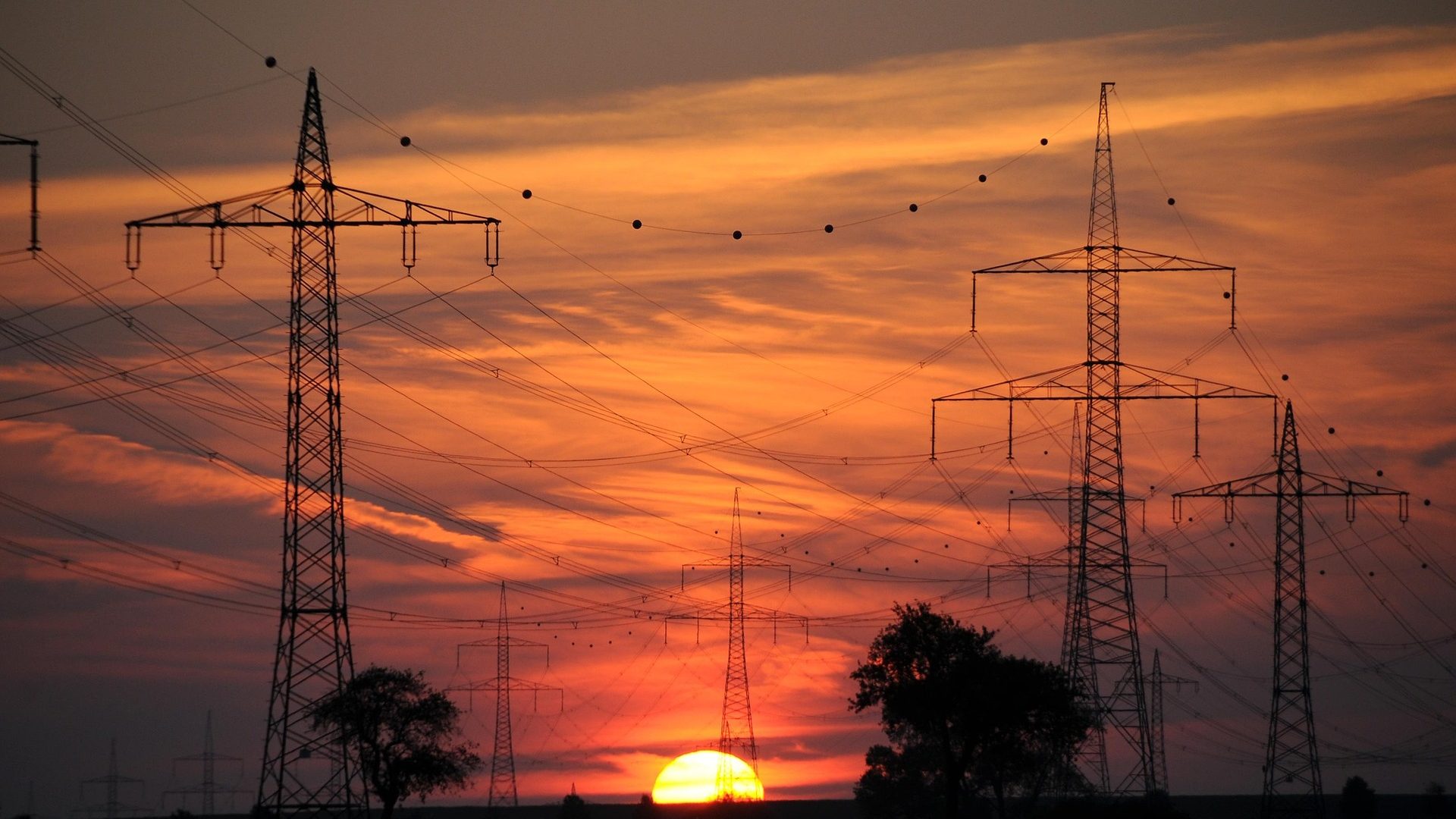
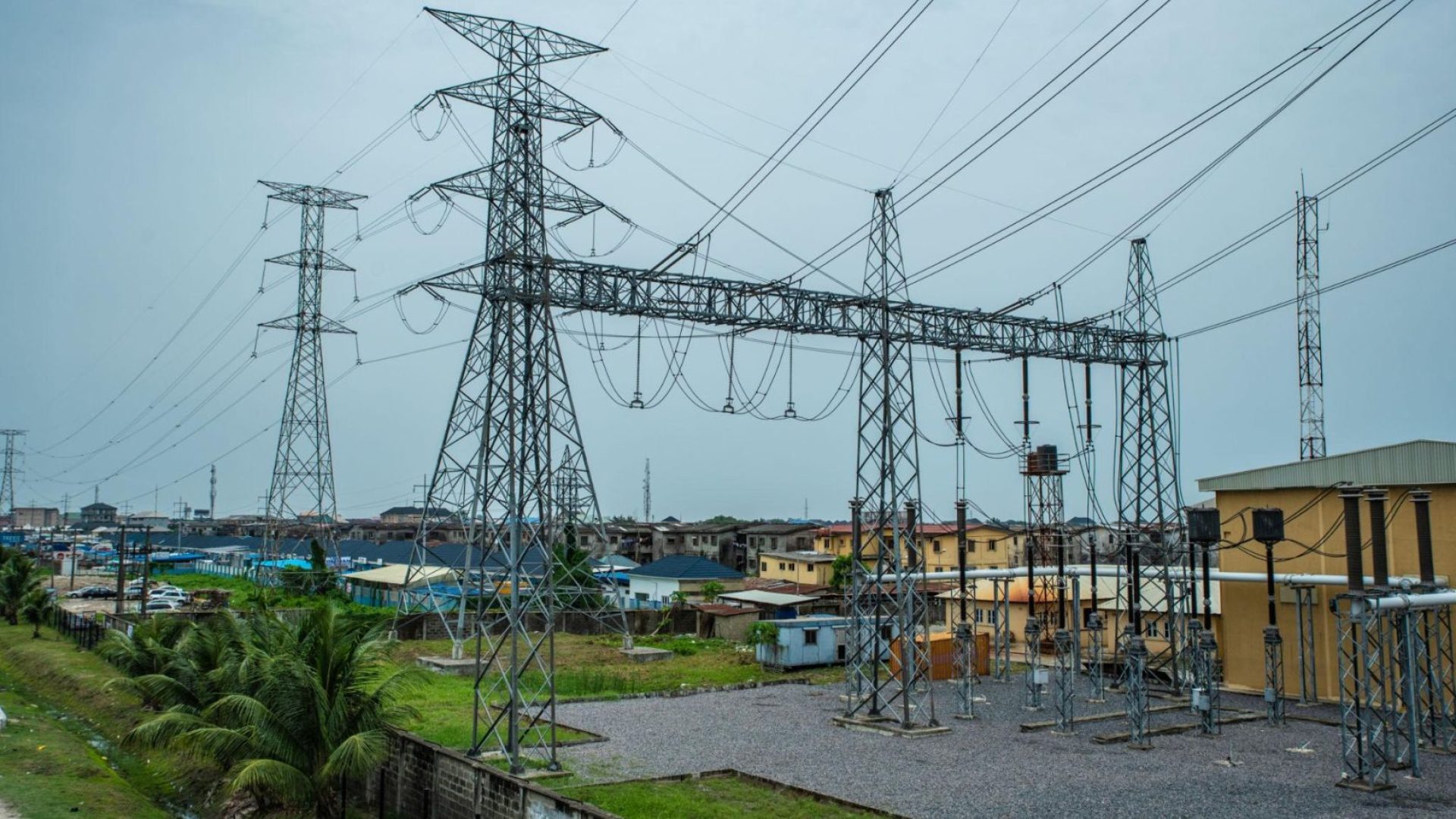
The above is undoubtedly accelerating investment into new power plants, transmission lines, and distribution networks. And the subsequent, supporting infrastructure is creating opportunities for nearby communities to benefit from grid expansion and improved access
Infrastructure-led growth
As mentioned, the economic impact of Uganda’s energy and extractives sector is far-reaching. However, it is also major cities like Kampala that is witnessing an infrastructure boom, with new roads, housing, and commercial developments reshaping the city’s landscape.
Across the country, industrial parks and agro-processing hubs are emerging, laying the groundwork for broader economic diversification.
Also, anticipated energy and extractives pipelines and refinery initiatives are stimulating demand for large-scale power generation and grid expansion. These projects highlight the sector’s dual role: fuelling immediate industrial growth while also unlocking long-term development for communities.
Technology enables growth
Meeting the demands of this rapid expansion requires advanced energy management and automation solutions. Schneider Electric is playing an important in Uganda’s journey. With a permanent office established in Kampala, we are well positioned to deliver scalable, sustainable technologies that adapt to the country’s evolving needs.
From medium- and low-voltage (MV and LV) solutions to grid automation and microgrid systems, our portfolio addresses the full spectrum of Uganda’s energy landscape. Our EcoStruxure for Power and Grid platform, for example, enables utilities to digitise operations for real-time monitoring and control, integrate renewable energy sources, and strengthen grid reliability.
In rural and peri-urban settings, modular microgrids combining solar and battery storage offer sustainable alternatives to diesel generators, powering schools, health centres, and small industries.
Powering Uganda’s digital future
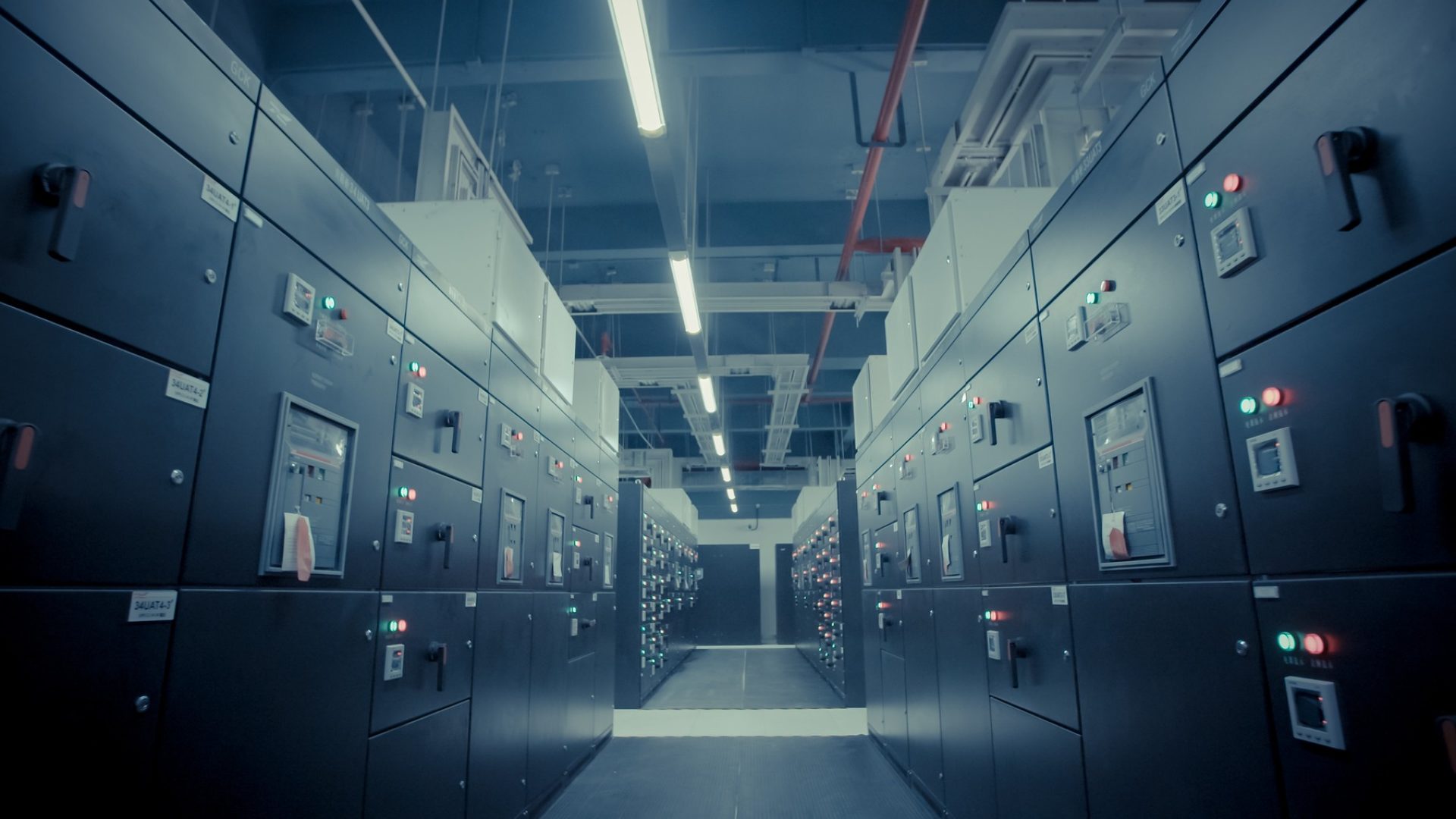
The extractives industry is also indirectly driving another critical pillar of Uganda’s modernisation, the growth of data centres. These facilities are essential to digital transformation, providing secure hosting, enabling e-governance, and supporting private sector innovation.
Indeed, as demand for data centres grows, reliable electricity becomes indispensable. This again make a solid case for strengthening Uganda’s power infrastructure.
According to a recent report by Raxio, cloud adoption in Uganda has grown by more than 30% in just three years, driven by SMEs, large enterprises, government bodies, and financial institutions.
AI and big data have also become major demand drivers. As AI use proliferates in banking, healthcare, and other sectors, there is growing demand for high-performance, reliable, locally hosted computing infrastructure.
The continued and strategic investments in Uganda’s power networks are key to building economic resilience and ensuring sustainable growth. Expanding and modernising the grid will reduce electricity costs, making local industries more competitive in regional and global markets.
Here, reliable, cost-effective power will also attract investment into manufacturing, logistics, and services, positioning Uganda as a competitive export hub.
With reliable electricity, Uganda can develop more industrial parks, agro-processing zones, and manufacturing hubs. These are crucial for turning extractives-driven revenues into diversified economic growth.
Stable electricity also lowers production costs, making local businesses more competitive, especially in export-oriented manufacturing. Over time, this strengthens economic resilience because the base of the economy broadens beyond extractives.
As more clusters of economic activity are powered, job creation will spread. That means not only urban but also rural areas can benefit from greater employment opportunities, reducing regional inequalities.
Establishing resilience
Schneider Electric is committed to partnering with Uganda on this journey. Through our Access to Energy programme, we endeavour to provide reliable power to underserved communities and critical facilities.
Indeed, as Uganda’s energy and extractives sector expands, so too does the need for skilled professionals who can operate, maintain, and innovate within this exciting landscape. Workforce development is therefore a critical enabler of long-term success.
Here, Schneider Electric is actively investing in training programmes and technical education initiatives that equip local talent with the skills needed to support modern energy infrastructure.
Through partnerships with vocational institutions and technical colleges, we are helping to build a pipeline of electricians, engineers, and energy specialists who can contribute meaningfully to Uganda’s industrial transformation. These efforts not only support operational excellence but also foster inclusive growth by creating employment opportunities for youth and underserved communities.
Moreover, by embedding sustainability and digital literacy into training curricula, we ensure that Uganda’s next generation of energy professionals is prepared to lead in a future shaped by renewables, automation, and smart grid technologies.
This approach to capacity building reinforces Uganda’s resilience and positions the country to meet both domestic energy needs and regional export opportunities.
Also, with long-term partnerships, Schneider Electric can help fortify Uganda’s energy backbone, enabling both industrial growth and inclusive development.
Ultimately, by building capacity through local partnerships and training, and offering adaptable, efficient technologies, we are assisting in Uganda’s continued and sustained growth.
Josiah Habwe, General Manager for Tanzania & Uganda, Energy Business at Schneider Electric