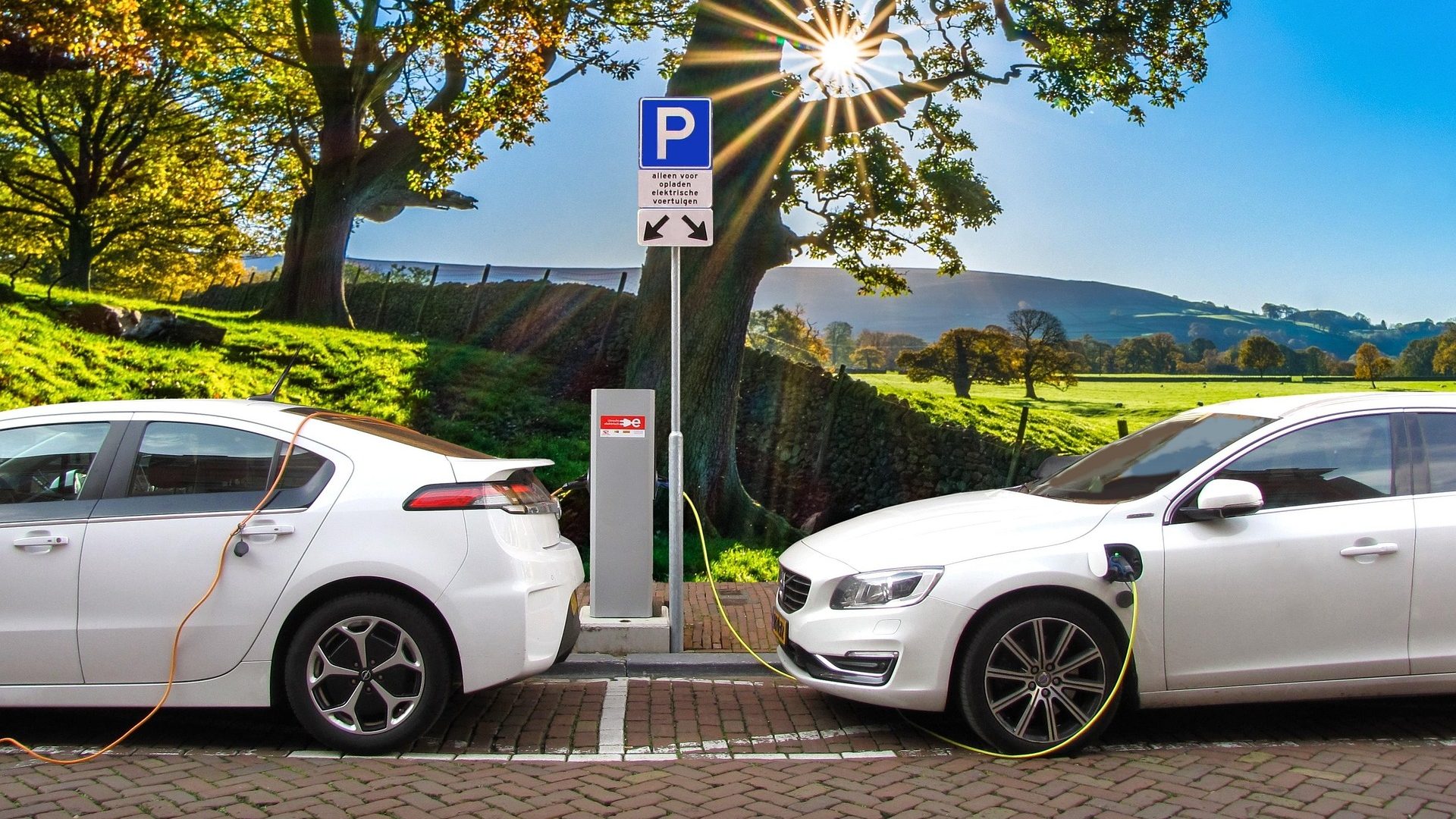


Kenya Power earned approximately $970,000 from electric vehicle (EV) charging in 2025, reflecting the country’s accelerating shift toward e-mobility. Since launching its special tariff in March 2023, the utility has onboarded 205 customers, while electricity consumption for EV charging more than doubled to 8.4 million kWh, up from 3 million in 2024.
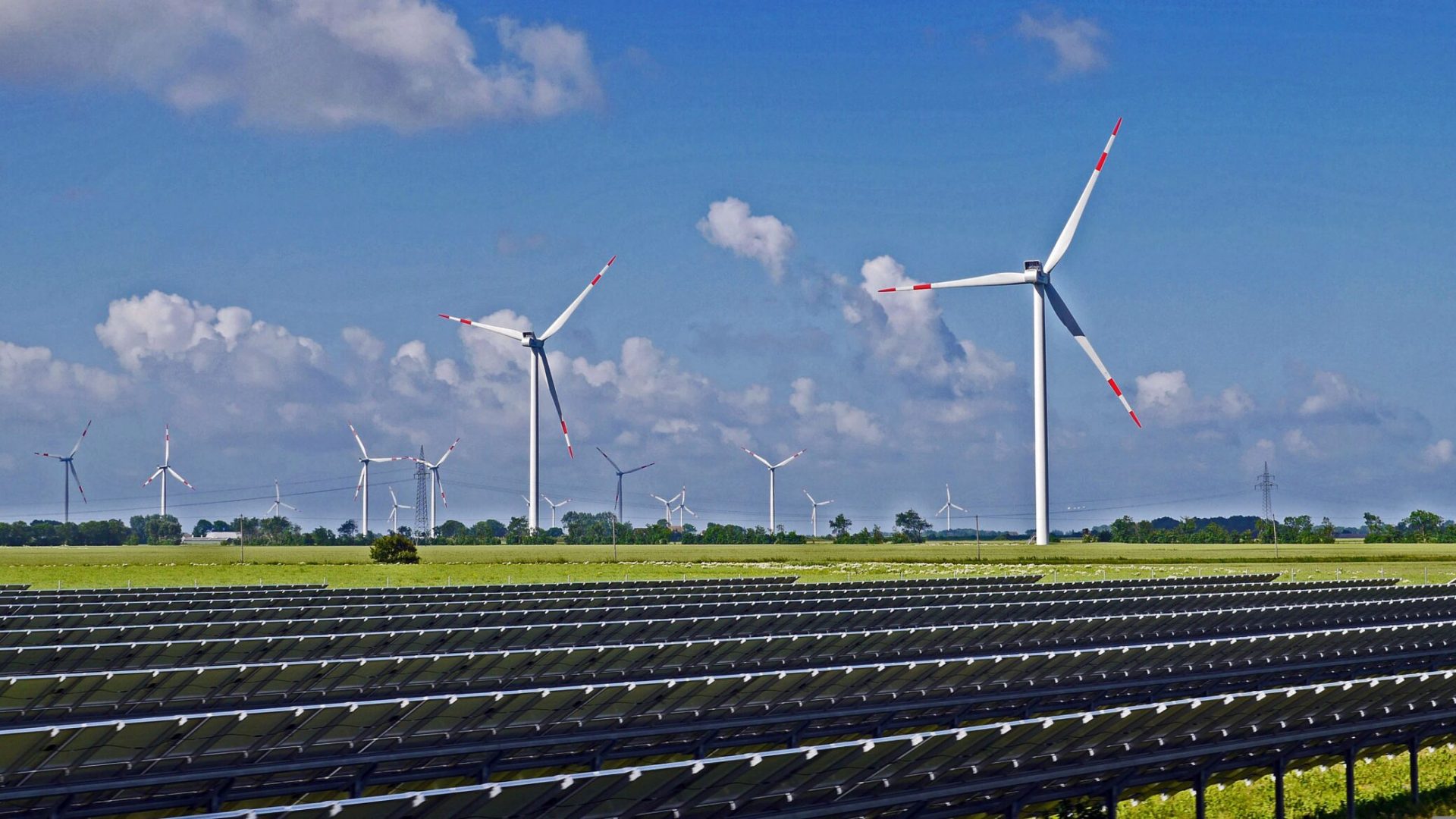
Managing Director Joseph Siror said the company is advancing e-mobility as part of its green strategy, noting that over 90% of its electricity supply comes from renewable sources.
Policy support has strengthened the transition. National Electric Mobility Policy and Finance Bill 2025 introduced measures such as zero-rated VAT and reduced excise duties on electric buses, motorcycles, bicycles, and lithium-ion batteries.
Under the tariff, users pay about $0.12 per unit during peak hours and $0.06 off-peak. Charging infrastructure is expanding beyond Nairobi to cities including Mombasa, Nakuru, Nyeri, Eldoret, and Voi.
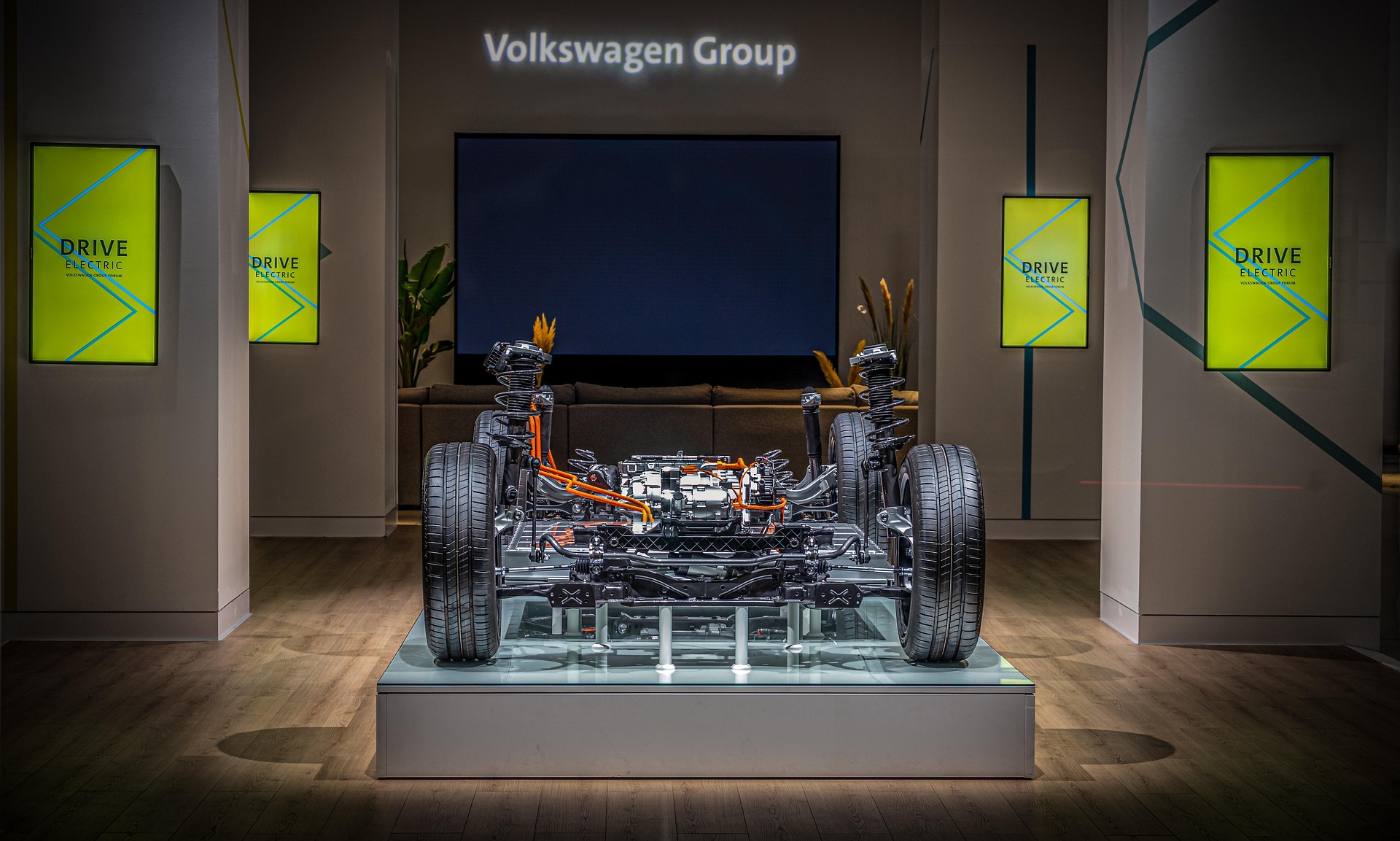
By 2025, Kenya had over 35,000 EVs, largely two-wheelers. Kenya Power also plans to grow its fleet to 20 electric cars and 100 electric bikes by 2026.